
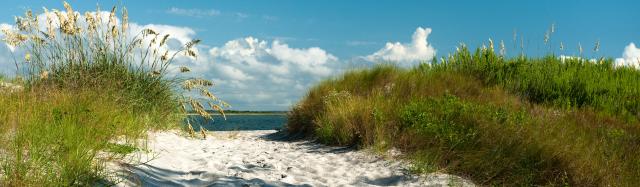
Crouch down beside a tidal pool on the Crystal Coast, and you'll find yourself peering into a world that feels impossibly small and impossibly full at the same time: a hermit crab hauling its borrowed shell across a sandy patch, a blenny darting into a crevice, a sea anemone swaying like a flower in the current. Tide pooling is one of the most accessible and rewarding nature experiences available along the North Carolina coast, requiring no special gear or expertise and welcoming families, solo explorers, and curious visitors of all ages. The Crystal Coast's unique barrier island geography, estuarine ecosystems, and mix of sandy and rocky coastal features create varied and productive intertidal habitats, making it an especially rich destination for this kind of discovery. This guide covers where to go, what creatures you're likely to find, when to time your visit, and how to explore without leaving a trace.
What Is Tide Pooling and Why Is It So Special?
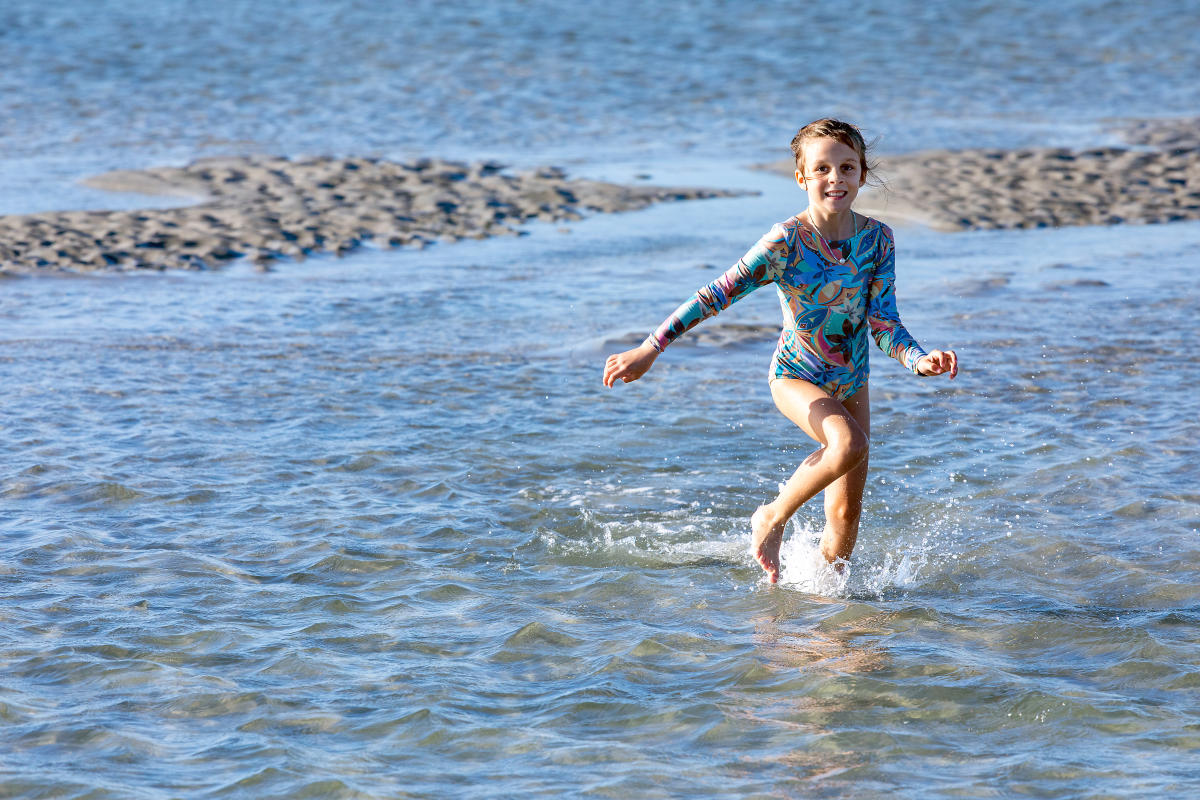
Tide pooling is the practice of exploring shallow pools of water left behind in rocky outcroppings, jetties, and coastal formations when the tide recedes. These pools expose the intertidal zone, the dynamic boundary between land and sea that ranks among the most biologically productive environments on Earth. The creatures that live here have evolved extraordinary strategies to survive pounding waves, drying sun, temperature swings, and the twice-daily arrival and departure of the sea itself, and observing them up close is a window into some of nature's most elegant problem-solving. No expertise is required to enjoy the experience; the slow scan of the water's surface, the gentle lift of a rock to reveal what's underneath, and the sudden movement of something alive are rewarding in themselves. The Crystal Coast is a particularly compelling destination because its convergence of sounds, estuaries, and open ocean generates a diversity of intertidal habitats uncommon on most stretches of the Atlantic coast, and for children experiencing sea creatures up close for the first time, few places in the region deliver this kind of wonder as reliably.
The Best Tide Pooling Spots on the North Carolina Coast
Fort Macon State Park
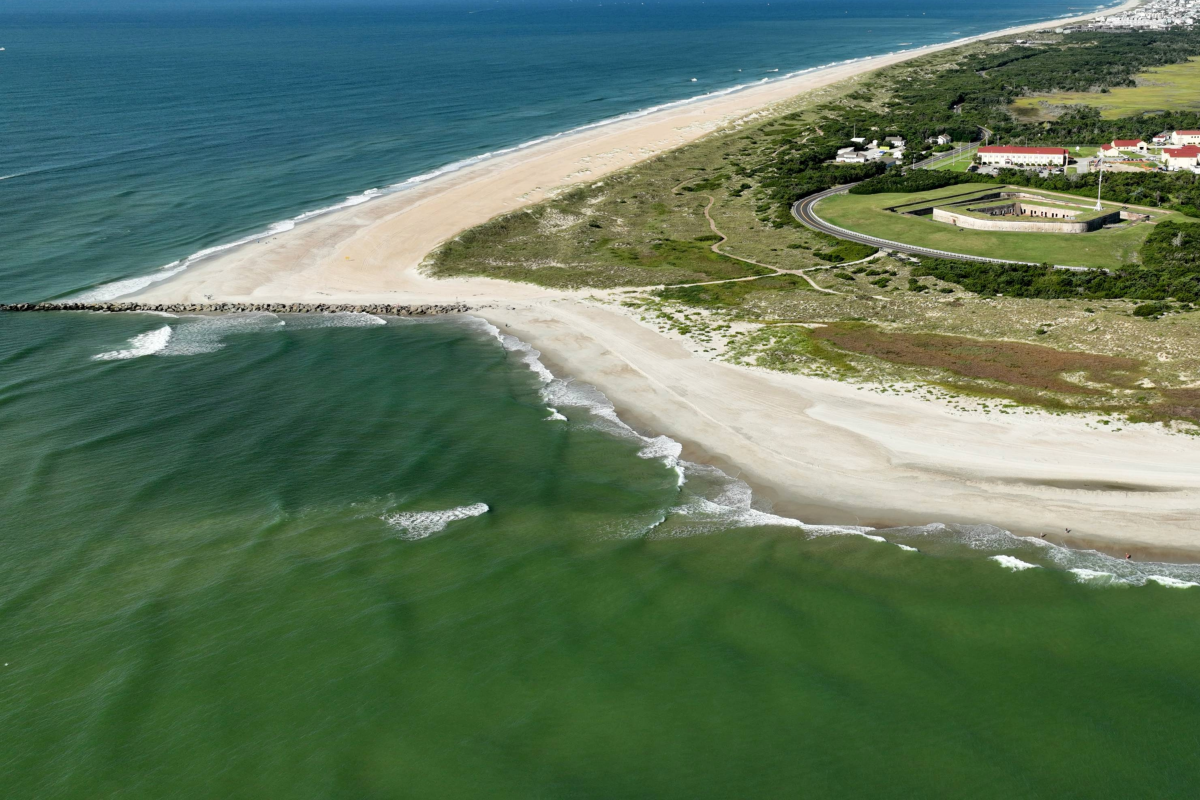
Fort Macon's jetties and rocky shoreline are among the most dependable tide pooling locations on the Crystal Coast, with the irregular rock and rubble structure of the jetty creating exactly the kind of layered habitat that intertidal life needs: nooks and crannies for shelter, surfaces for filter feeders to anchor, and pools where smaller organisms collect when the tide drops. Visitors here commonly find barnacles crusting the upper rocks, hermit crabs picking through the shallows, tidewater fish weaving through crevices, and sea anemones tucked into shadowed pools. The park's protected status means the ecosystem is particularly healthy and undisturbed, resulting in impressive levels of biodiversity. Fort Macon also offers ample parking, restrooms, beach access with summer lifeguards, and picnic facilities, making it an easy and complete day-trip destination.
Emerald Isle
Emerald Isle's western end near Bogue Inlet offers accessible, reliably productive tide pooling in a mix of natural shoreline, rock outcroppings, and tidal flats, where hermit crabs, fiddler crabs, small fish, and shelled mollusks can be found consistently. Sound-side areas at this end of the island tend to be especially productive at low tide, offering a sheltered, manageable environment well-suited to younger explorers. Emerald Isle pairs tide pooling with the full amenities of a well-established beach town, including easy parking, nearby dining, and public restrooms, making logistics simple for families. Because it's one of the more accessible entry points on the Crystal Coast for visitors driving in from inland areas, it makes an ideal first stop for anyone new to tide pooling who wants a low-barrier introduction to the experience.
Rachel Carson Reserve
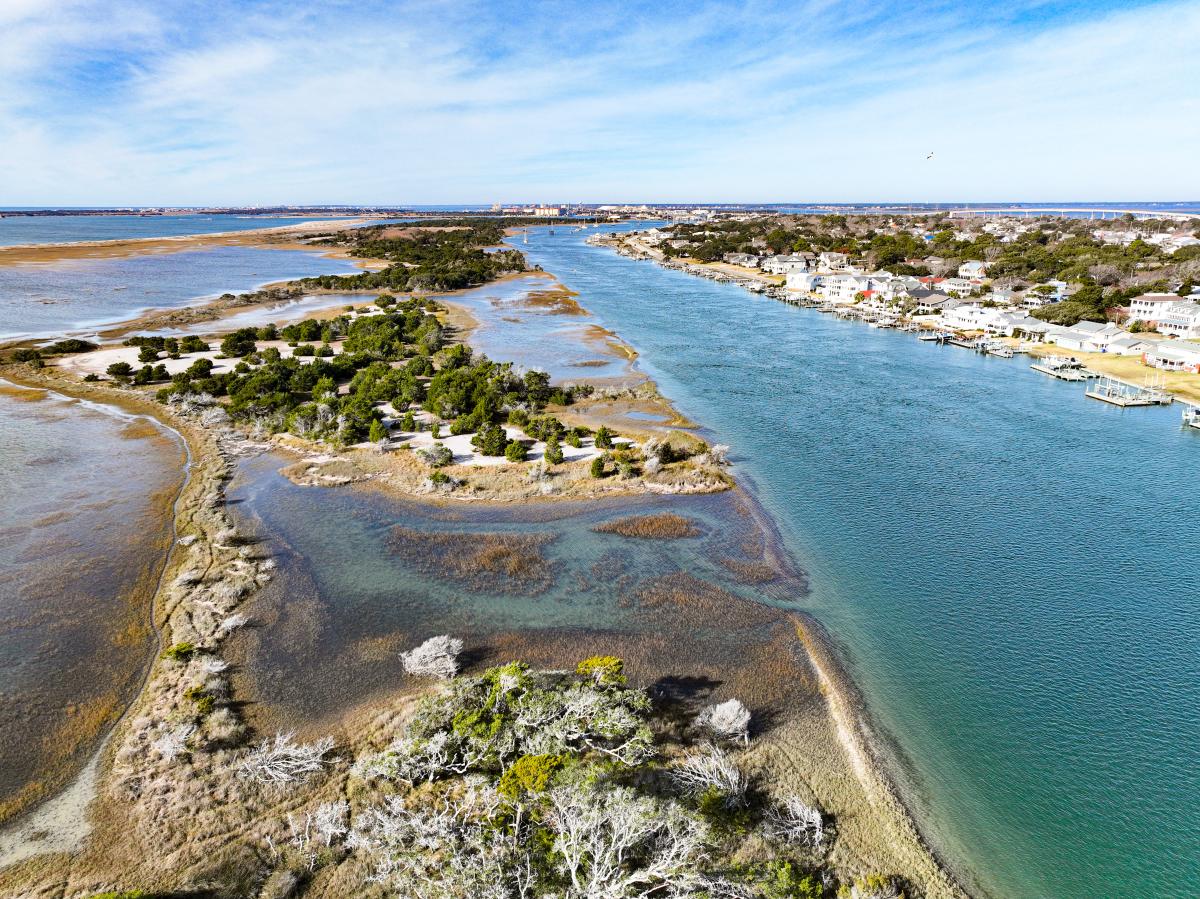
The Rachel Carson Reserve, accessible by ferry or kayak from downtown Beaufort, offers a distinctly different kind of intertidal exploration. Rather than rocky jetties, visitors find open tidal flats and estuarine shorelines where horseshoe crabs, whelks, and shorebirds share the habitat with smaller tide pool creatures. The sense of space and solitude here is unlike anything at more developed spots, and the reserve's undeveloped character means visitors are largely on their own to explore at their own pace. This is a full-day outing best suited to families or naturalists who come prepared with lunch, good shoes for soft terrain, and plenty of time to simply wander.
Shackleford Banks
Shackleford Banks is a remote, ferry-accessible barrier island with no roads or development, where the sound-side shoreline creates natural pockets of intertidal life, including whelks, hermit crabs, small crustaceans, and shorebirds, in a setting that feels genuinely wild. The island is also famous for its wild horses, descendants of Spanish mustangs that have roamed here for centuries, and pairing a tide pooling exploration with a walk in search of the herd gives the outing a sense of adventure that more developed locations simply can't replicate. Visitors should come fully self-sufficient, but the reward is an experience with a strong claim to being the most memorable on the entire Crystal Coast.
Cape Lookout National Seashore
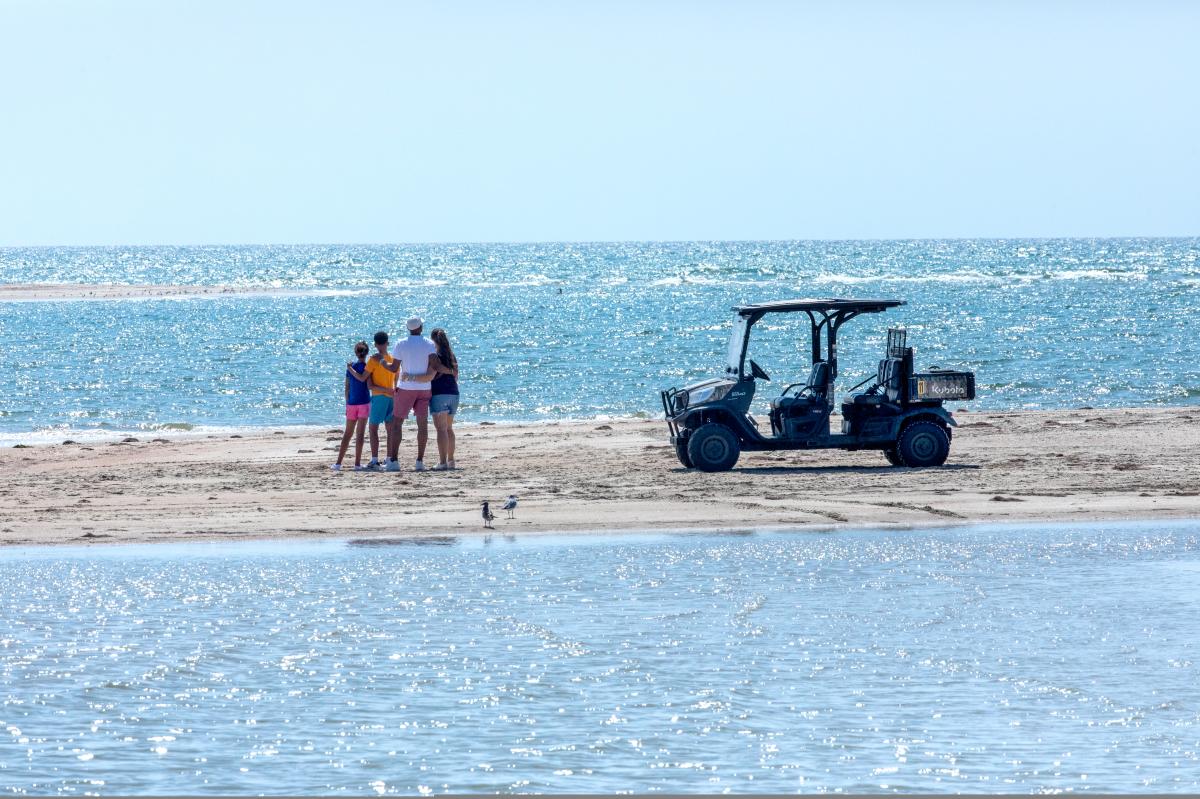
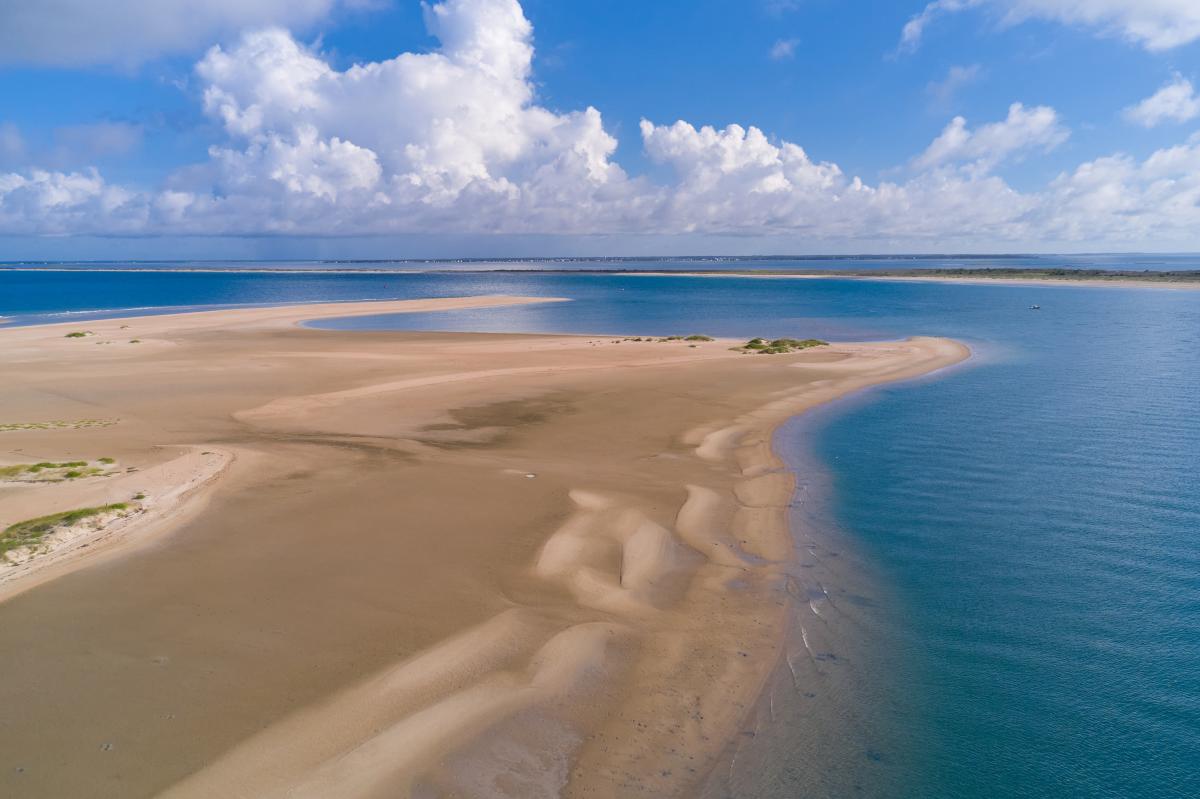
Cape Lookout is one of the most ecologically rich stretches of the Crystal Coast, with extensive tidal flats shaped by the convergence of ocean and Pamlico Sound waters that support an extraordinary variety of intertidal life. The lighthouse area and the bight (the curved inner shore near the cape itself) are particularly productive, and the diversity of species visible here during a strong low tide can be remarkable. Access is via ferry from Harkers Island or Beaufort, and like Shackleford Banks, Cape Lookout rewards visitors who arrive prepared for a full day in a remote, undeveloped setting.
What You'll Find in a Coastal Tide Pool
Crustaceans: Hermit Crabs, Fiddler Crabs, and Barnacles
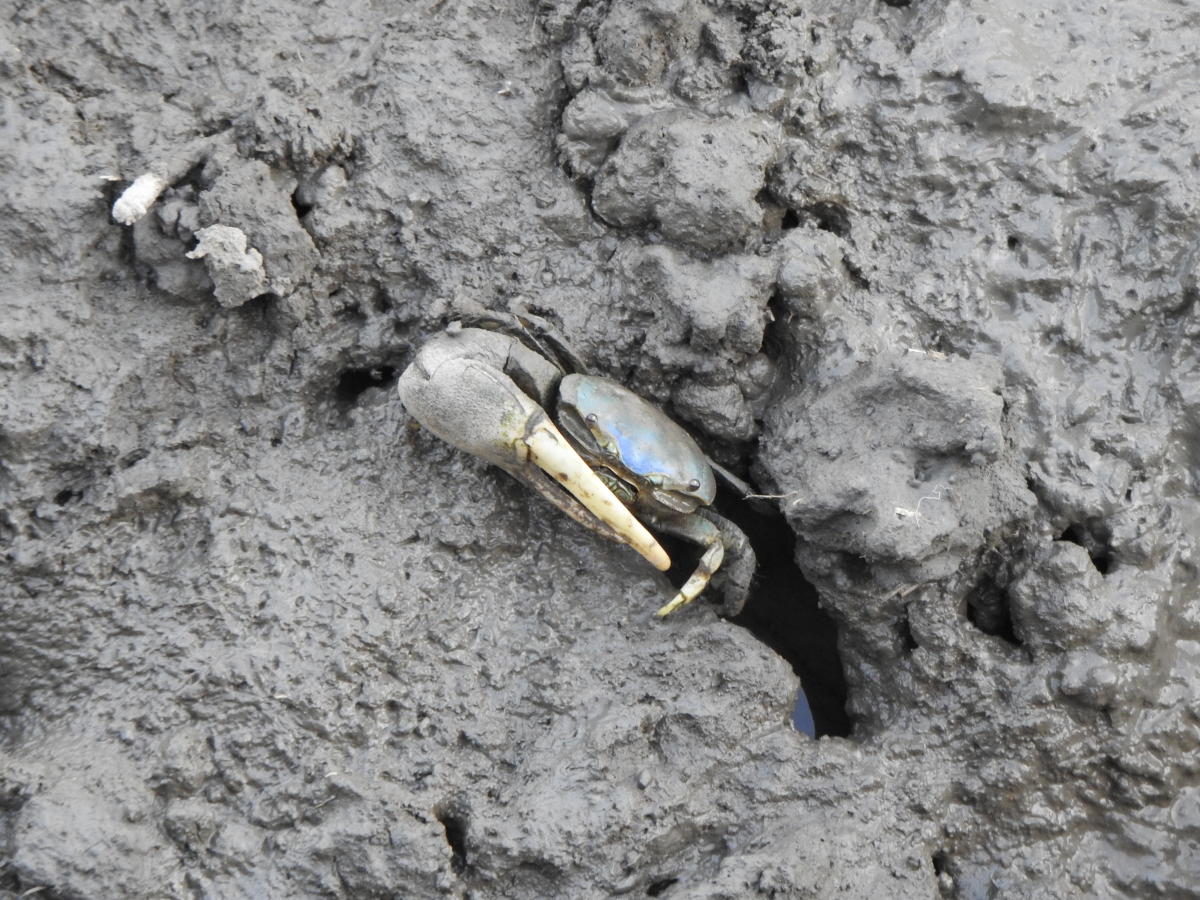
Hermit crabs are the crowd favorites of the Crystal Coast tide pool: resourceful animals that borrow empty shells to protect their soft abdomens, and whose habit of freezing at the first sign of observation and then cautiously resuming their business makes them endlessly entertaining to watch. Fiddler crabs are abundant in the muddy tidal zones near estuaries, especially around the Rachel Carson Reserve and sound-side beaches, where the males wave their oversized claws in elaborate courtship displays that make a populated tidal flat a surprisingly lively scene. Barnacles deserve far more attention than they typically receive; cemented permanently to rocks and jetty surfaces, they're actually animals that filter plankton from the water with feathery legs when submerged, and what appears to be a static grey encrustation is in fact a community of individuals feeding, reproducing, and competing for space in one of the harshest environments on Earth.
Mollusks: Whelks, Oysters, Mussels, and Snails
Whelks are among the most iconic mollusks of the North Carolina coast: large predatory snails that move through tidal pool areas in search of clams and oysters, and whose deliberate progress across a sandy pool bottom is one of the highlights of any tide pooling visit. Oyster beds are a defining feature of the estuarine shoreline and a critical piece of the intertidal ecosystem, with the irregular surface of each cluster supporting dozens of other species, including small crabs, polychaete worms, snails, and juvenile fish sheltering in the gaps between shells. Periwinkle and nerite snails cling to rocks at the waterline and are easy for children to observe, while empty shells scattered throughout the pools are worth a second look, since a surprising proportion are occupied by hermit crabs perpetually in search of roomier accommodations.
Fish and Echinoderms: Blennies, Killifish, Sea Stars, and Urchins
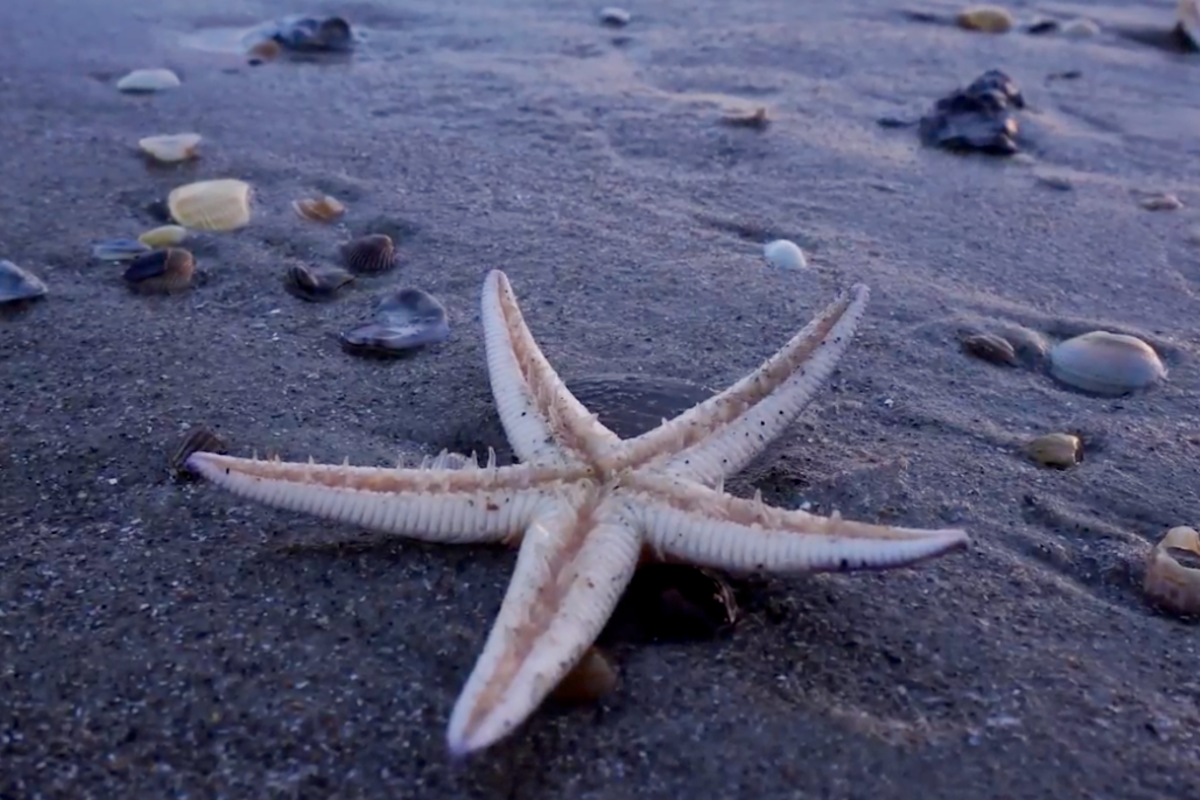
Tidewater killifish and blennies are specialists in intertidal survival, adapted to tolerate wide swings in temperature, salinity, and dissolved oxygen; blennies in particular are entertaining to watch as they perch on rocks with their eyes swiveling independently before shooting into crevices with startling speed. In deeper pools and along jetty bases, sea stars and brittle stars can be found clinging to rock surfaces, and sea urchins occasionally wedge themselves into crevices where they use their spines for both protection and locomotion. Even a brief observation of a pool containing a small fish, a few snails, and a hermit crab reveals the outlines of a working food web, with predators, herbivores, filter feeders, and decomposers all operating in a space you could jump across in a single step.
Other Marine Life: Sea Anemones, Worms, and Algae
Sea anemones are among the most visually arresting things you can find in a Crystal Coast tide pool; their tentacles fan out in flower-like forms when submerged, only to retract instantly into a compact blob when touched, a response that reliably produces an audible gasp from children experiencing it for the first time. Lifting a rock carefully near the base of a pool may reveal polychaete worms in the damp sediment underneath, bristly, segmented, and often iridescently colored creatures that are a sign of a healthy intertidal ecosystem and a critical food source for shorebirds, fish, and crustaceans. The algae covering intertidal rocks in mats of green, red, and brown isn't just background texture; it's the foundation of the entire food web, and some species reveal intricate, surprisingly beautiful structures when examined with a magnifying glass.
When to Go: Timing Your Tide Pooling Trip for the Best Experience
The single most important factor in a successful tide pooling trip is timing your visit around the tides: the lower the tide, the more intertidal habitat is exposed and the richer the experience, with minus tides revealing areas that support the greatest diversity of life. Tide predictions for specific Crystal Coast locations, including Beaufort Inlet, Bogue Inlet, and Cape Lookout, are available through NOAA's Tides & Currents; look for days when the low tide falls to 0.5 feet or below and plan to arrive about an hour before that low point. Late spring through early fall offers the warmest conditions and most active marine life, while cooler months can be productive and less crowded. Clear mornings with light winds are ideal, combining the best observing light with moderate temperatures and, with good planning, a strong low tide.
How to Explore Tide Pools Responsibly
Tide pools are more fragile than they appear, and a single careless footstep can crush organisms that have spent years establishing themselves, while a pool that's repeatedly disturbed loses its ecological balance over time. The core principles are straightforward: look but don't remove living creatures from the pool, replace any rocks that are lifted in exactly the same position and orientation, stay aware of where you step to avoid crushing organisms, and avoid applying sunscreen at the water's edge where chemicals can harm marine invertebrates. Many Crystal Coast tide pooling locations fall within protected areas, including the Rachel Carson Reserve and Cape Lookout National Seashore, both federally managed, with regulations prohibiting the removal of living organisms or disturbance of habitat. Responsible exploration isn't a constraint on the experience; it's what ensures the pools remain full of life for every visit that follows.
What to Bring: Tide Pooling Gear and Essentials
Good footwear is the most important item on your list, specifically water shoes or old sneakers with a grippy rubber sole, since bare feet or sandals are a real liability on uneven, algae-covered rocks and jetty surfaces. A small hand lens or magnifying glass transforms the experience, revealing astonishing detail in barnacle feeding appendages, snail shells, and polychaete bristles that would otherwise go unnoticed. A waterproof case for your phone or camera lets you photograph creatures in the water without risking your equipment, while sunscreen, a hat, and plenty of water are essential since tide pooling happens on exposed shorelines during peak sun hours. A field guide to coastal North Carolina marine life, available at local shops, significantly enhances the experience, especially for children.
Tide Pooling with Kids: Making It a Family Adventure
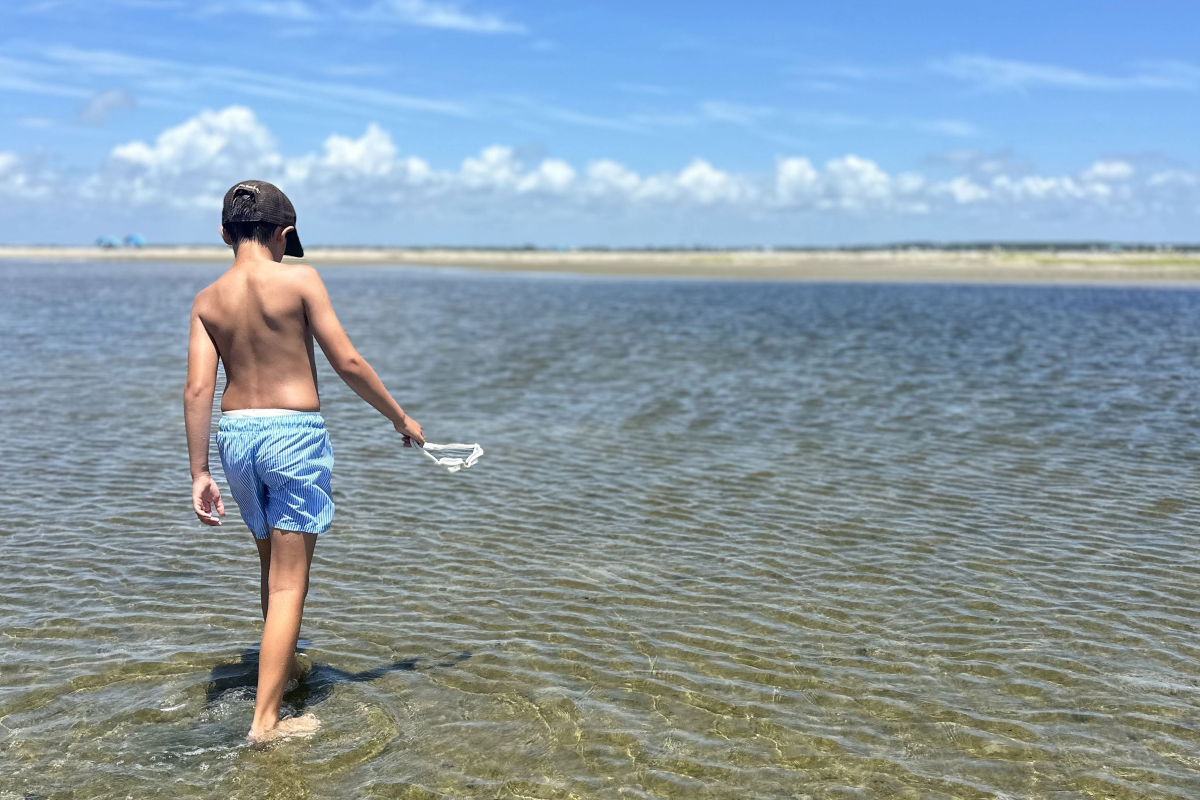
Tide pooling is one of the rare outdoor activities entirely driven by curiosity, where children set the agenda by following whatever catches their eye, and the experience unfolds naturally at exactly the pace they need, with no trail to finish or summit to reach. Toddlers delight in the immediate and sensory: the surprise of a hermit crab retreating into its shell. Older children enjoy the challenge of identifying species, and framing the outing as a scavenger hunt to spot as many different creatures as possible, without touching or removing any of them, builds genuine observational skills while keeping energy high. Teenagers who arrive skeptical often find themselves drawn to the photography opportunities alone, and the ecological context of what they're seeing tends to resonate with older kids already thinking about environmental issues. Tide pooling pairs naturally with shelling, picnicking, and kayaking on the sound, making it easy to anchor a full and satisfying day of outdoor exploration around a morning in the pools.
Start Planning Your Tide Pooling Adventure
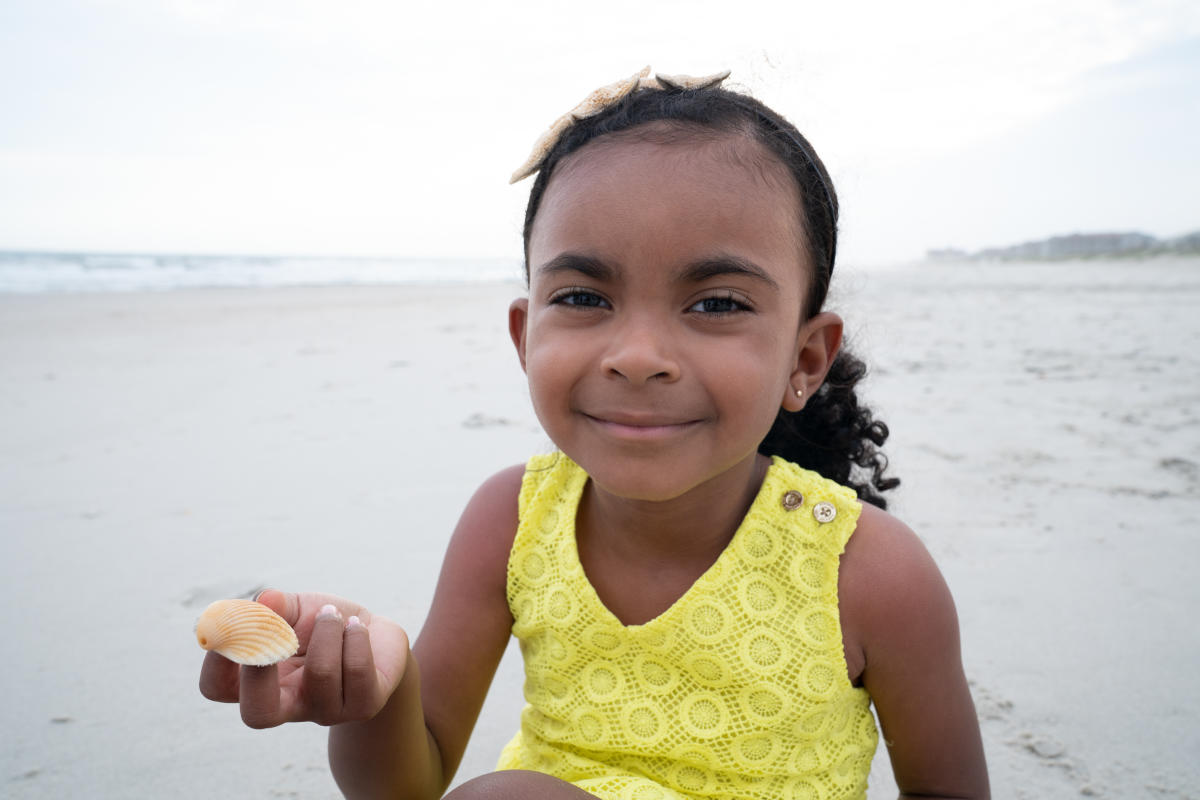
The Crystal Coast offers a diversity of accessible tide pooling locations, from the dependable jetties at Fort Macon to the wild tidal flats of Cape Lookout, along with rich intertidal life and the full amenities of a beloved coastal vacation destination. Start by pulling up a tide chart at NOAA's Tides & Currents site for the location you're visiting, look for the lowest tides within your travel window, and build your day from there. Pair your time in the pools with the rest of what the Crystal Coast does best: fresh seafood, scenic waterways, and miles of shoreline to explore at your own pace. When you find something extraordinary out there, and you will, share it by tagging your photos with #CrystalCoast, knowing that with the right care, those small remarkable worlds between the tides will be just as full of life the next time you return.