
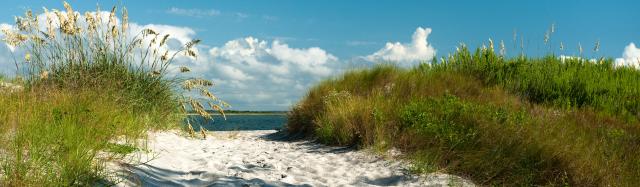
The moment you clear Beaufort Inlet and throttle up into open water, something shifts. The spray hits your face, the shoreline drops behind you, and the ocean floor falls away beneath the hull as the water transitions from the familiar green of the nearshore flats to the deep, vivid cobalt of the Gulf Stream. Thirty miles out, blue marlin are crashing baits, yellowfin tuna are surging through temperature breaks, and Mahi-mahi are stacked beneath golden lines of floating sargassum — a world entirely apart from anything on land. The Crystal Coast sits at one of the most strategically positioned offshore fishing locations on the entire Eastern Seaboard, and whether you're a seasoned blue-water angler or booking your first deep-sea charter, this guide covers everything you need to plan your trip.
Why the Crystal Coast Is One of the East Coast's Top Offshore Fishing Destinations
The Gulf Stream passes within 25–35 miles of Bogue Inlet, one of the shortest runs to blue water of any port on the Atlantic coast, meaning anglers here spend more time fishing and less time running. Where the warm Gulf Stream current meets the cooler Labrador Current, baitfish concentrate in enormous numbers, and gamefish follow. Beaufort Inlet and Morehead City serve as the primary departure points for offshore trips, giving captains direct access to some of the most productive pelagic water on the East Coast. This isn't geographic luck so much as a genuine competitive advantage that experienced anglers have been exploiting for generations.
The Gulf Stream Advantage
The Gulf Stream is not simply warm water. It's a ribbon of nutrient-rich, cobalt-blue current that functions as a migration highway for pelagic species moving along the Eastern Seaboard. The color change from green inshore water to the deep blue of the Stream is visible and striking, and experienced captains out of Morehead City read water temperature breaks, floating sargassum lines, and subtle surface color shifts to find fish. Anglers targeting blue marlin work depths of 600 to 2,000 feet, while Mahi-mahi and wahoo are often found shallower along ledges and beneath surface debris. This is insider knowledge earned over thousands of offshore runs, and the captains working out of the Crystal Coast have made it as many times as anyone on the coast.
A Marine Ecosystem Built for Big Game
The convergence of current, depth, and sea surface temperature draws a remarkable diversity of offshore species to this stretch of water. Sargassum mats, those floating golden islands of seaweed, serve as critical nursery habitat for juvenile Mahi-mahi and as feeding grounds that attract larger sea life, stacking up beneath them. Canyon features and bottom structure to the east and south, including the influence of the Hatteras Eddy, concentrate yellowfin tuna and create consistent, predictable fishing grounds that captains return to year after year. The offshore fishery here is rooted in genuine ecology, and understanding why the fish are here makes the experience of catching them that much more meaningful.
Offshore Species: What You Can Target on a North Carolina Charter
Few stretches of the East Coast offer the diversity of pelagic species available off this corner of North Carolina. The combination of warm Gulf Stream water and seasonal migrations means anglers encounter blue-water fish throughout much of the year that would require traveling much farther south to find at other ports. What you're likely to target depends significantly on when you plan to visit, and the season-by-season breakdown below will help you match your trip to the fishery.
Blue Marlin and White Marlin: The Pinnacle of Offshore Angling
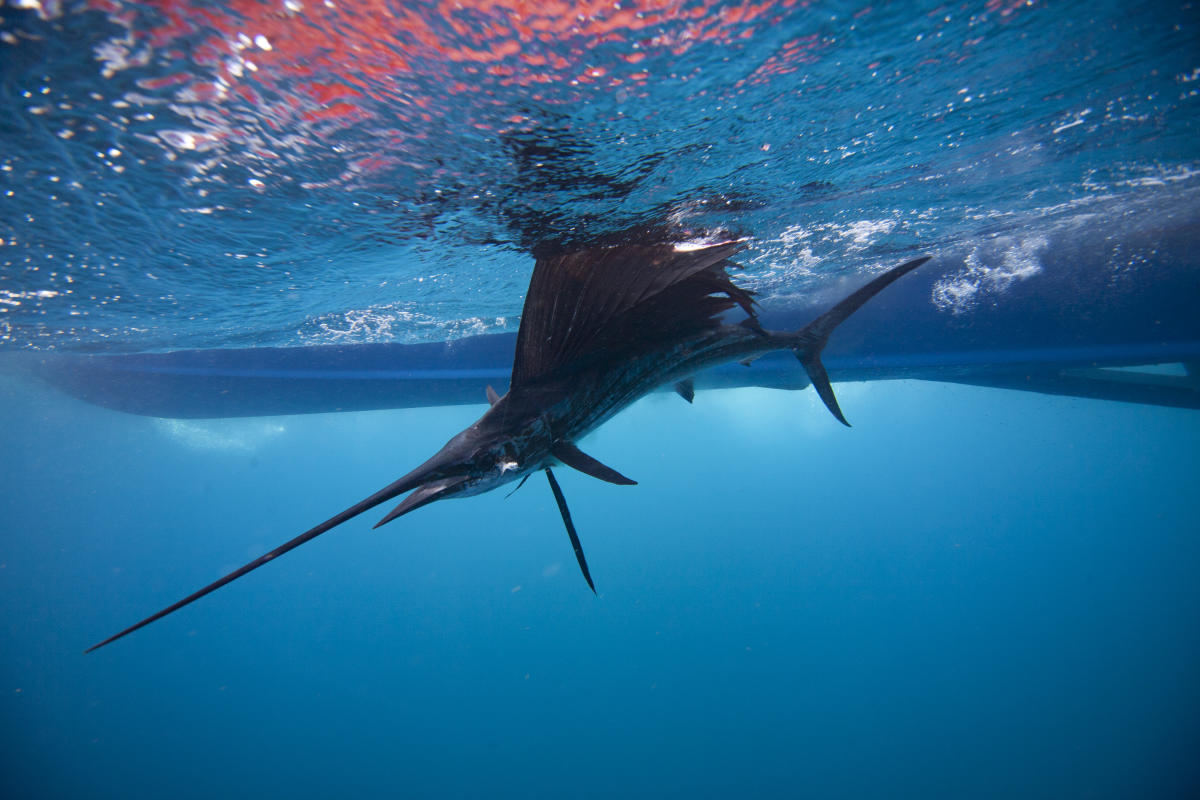
Blue marlin are the crown jewel of offshore fishing off the Crystal Coast, a fish that demands your full attention the moment it appears behind a bait and detonates on the surface in a strike that is equal parts violence and spectacle. They're most reliably encountered from June through September, with fish commonly exceeding 400 pounds and larger specimens pulling well beyond that. White marlin are also present, generally lighter than blue marlin but known for their speed and aerial acrobatics. The vast majority of billfish caught here are released, consistent with the conservation-minded offshore culture that defines this fishery and is reinforced through tournament scoring structures like those used at the Big Rock Blue Marlin Tournament.
Mahi-mahi, Wahoo, and Yellowfin Tuna: The Everyday Royalty of the Gulf Stream
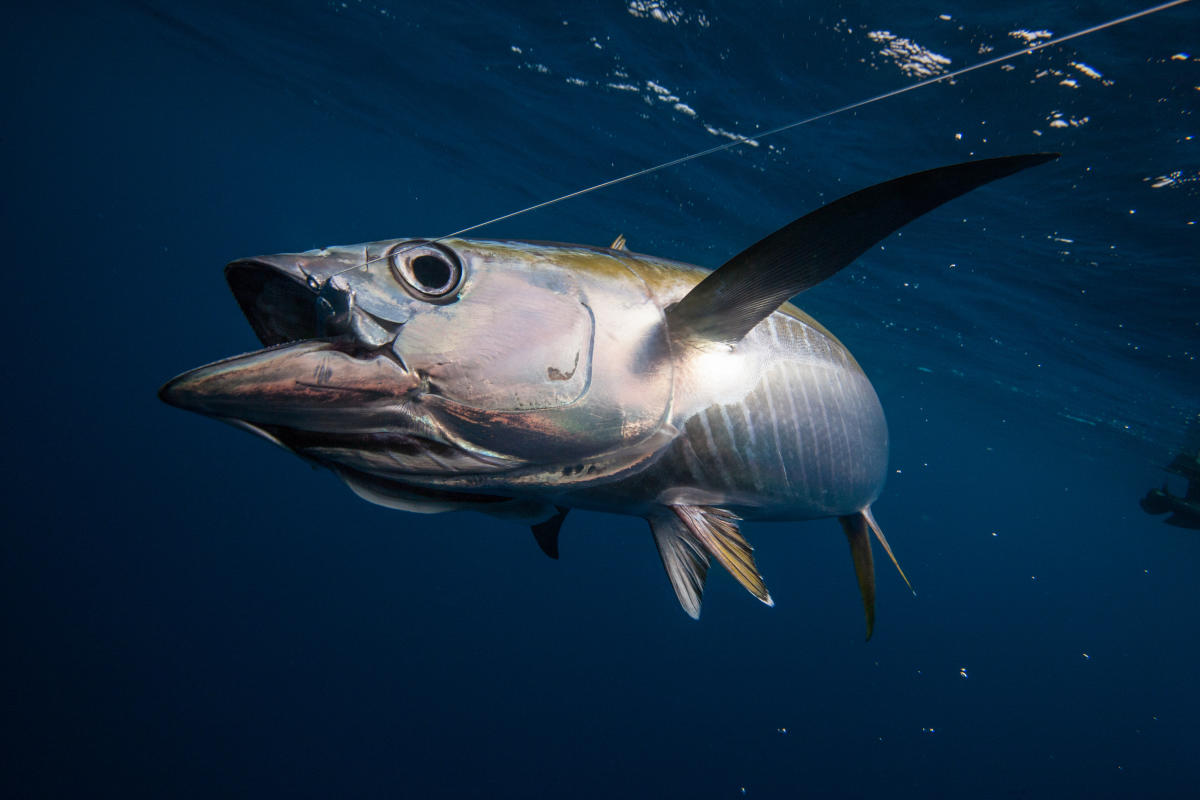
For many anglers, a day targeting Mahi-mahi, wahoo, or yellowfin tuna is every bit as rewarding as chasing billfish and considerably more likely to result in fish coming home with you. Mahi-mahi, known locally as dolphinfish, are brilliantly colored in green and gold, school readily under sargassum mats and floating debris, and are active from late spring through early fall. Wahoo are torpedo-shaped and capable of blistering speed, peaking in the fall, while yellowfin tuna are relentless, powerful fighters targeted at temperature breaks and sometimes at night using light-attracting setups. A mixed bag of all three species in a single day is entirely realistic out here, and most charter captains offer fish-cleaning services, with several Morehead City restaurants happy to prepare your catch the same evening if you call ahead.
Swordfish: Night Fishing in the Deep
Swordfish fishing off the Crystal Coast has grown significantly in recent years, drawing serious offshore anglers who want an experience that goes beyond the standard day trip. Broadbill swordfish are targeted at depths of 1,200 to 1,800 feet using electric reels and heavy squid rigs deployed after dark, when swordfish rise from deep water to feed. Some charter captains specialize in overnight swordfish trips, a different category of offshore experience that is more elemental and demanding than a daylight run to the Stream. For the angler who has checked off the daylight species list and wants something more, it's one of the most memorable options available from this stretch of coast.
Booking a Fishing Charter From Morehead City
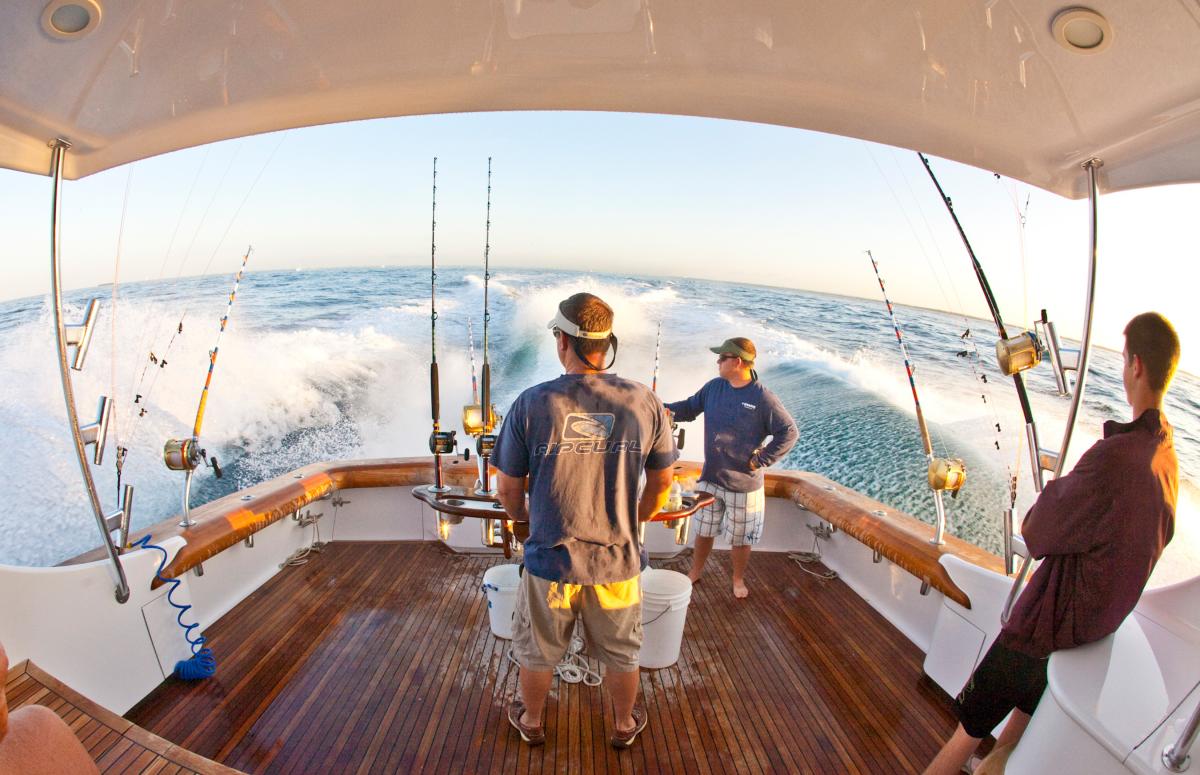
Morehead City is the hub of offshore charter activity on the Crystal Coast, with a fleet of experienced captains operating vessels that range from 35-foot sportfishing boats to large custom offshore rigs built for overnight trips. Most reputable charters include all tackle, bait, ice, and fish cleaning, so anglers typically need only bring food, drinks, reef-safe sunscreen, and a valid saltwater fishing license, or confirm at booking whether the vessel is licensed to cover all passengers. Booking in advance is strongly recommended, particularly for summer weekends and any dates surrounding the Big Rock Blue Marlin Tournament in June. Take the time to research individual captains, review recent catch reports, and communicate clearly about your group's experience level, because the right captain makes all the difference.
What to Expect on a Full-Day Offshore Charter
A full-day offshore charter begins in the pre-dawn hours at the waterfront, with lines going in the water as the sun rises over the Gulf Stream roughly 1.5 to 2 hours into the run. From there, the day is built around the captain's reading of conditions, with trolling spreads and bait presentations adjusted in real time as the boat works temperature breaks, sargassum lines, and productive bottom structure. Offshore fishing rewards patience, and not every trip produces a limit of fish, but every trip produces the experience of standing 30 miles offshore in brilliant blue water, surrounded by open ocean and the possibility of something enormous coming up behind a bait. A good captain will put your group in the best possible position given what the ocean is doing that day, and that is genuinely worth something.
Choosing the Right Charter for Your Group
Larger families or corporate groups may want a bigger vessel with more deck space and room to spread out during the run, while seasoned anglers targeting specific species like marlin or swordfish should look for captains who specialize in those fisheries and can speak to recent activity in detail. True offshore fishing typically calls for a full-day trip, giving you the time needed to reach the Gulf Stream and make the most of those blue-water opportunities. Anglers interested in shorter outings can explore nearshore and Gulf Stream-edge options targeting king mackerel and Spanish mackerel closer to the inlet, which offer productive fishing without the extended offshore run. When in doubt, call the captain directly and ask what they've been catching, because that conversation will tell you everything you need to know.
The Big Rock Blue Marlin Tournament: An Offshore Tradition Worth Experiencing
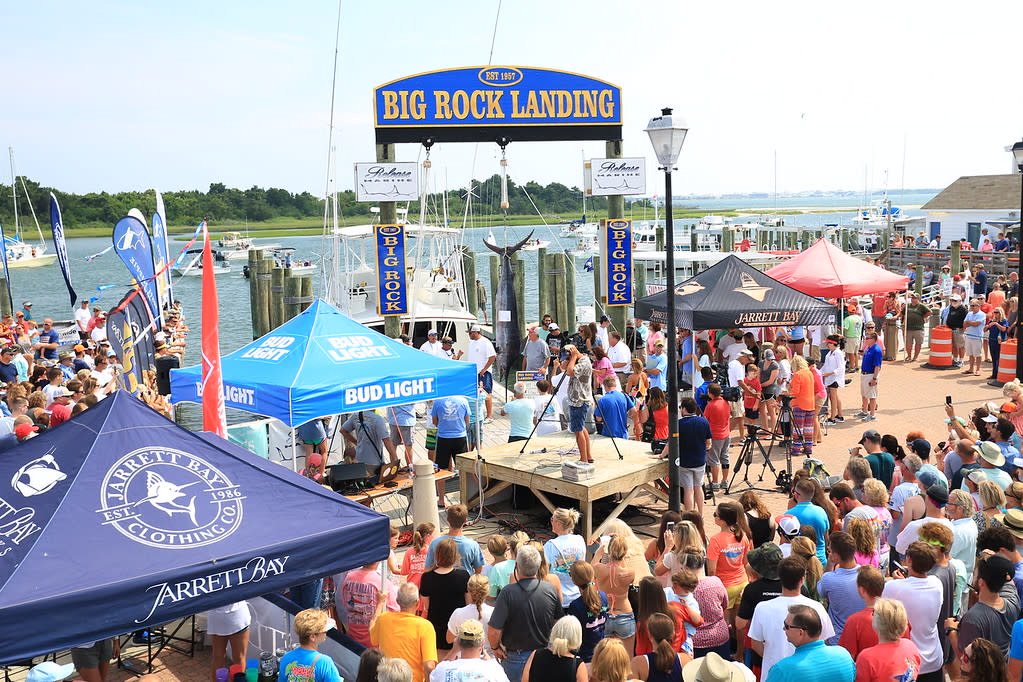
The Big Rock Blue Marlin Tournament is one of the most storied offshore fishing tournaments in the country, and every June it transforms the Morehead City waterfront into something that must be seen to be fully appreciated. Hundreds of competing boats and thousands of spectators converge over six days of competition, with daily weigh-ins drawing crowds to watch massive blue marlin come to the scales and prize purses that routinely reach into the millions of dollars. The tournament has also become a leader in conservation, incorporating scoring structures that encourage live release of billfish and reward captains who prioritize the long-term health of the fishery. Even for those who aren't competing, attending the Big Rock as a spectator is a genuine window into the offshore fishing culture that runs deep along this coast.
When to Go: Fishing by Season on the NC Coast
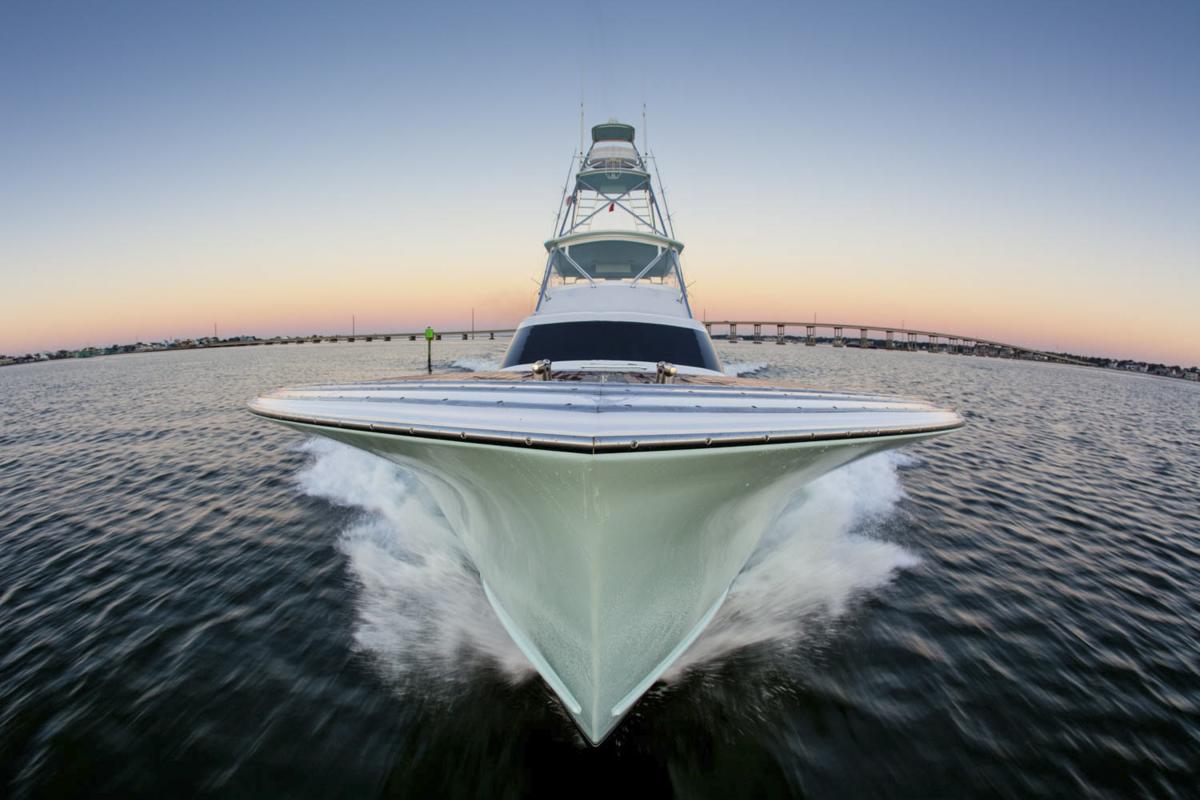
Spring: Early-Season Opportunity
April and May bring warming Gulf Stream temperatures and the first serious offshore action of the year, with wahoo often the early-season target and the first Mahi-mahi beginning to appear under sargassum mats as they drift north with the current. Yellowfin tuna remain active and accessible through the spring months, making mixed offshore days entirely achievable before peak season arrives. Spring is an excellent time to plan a Crystal Coast fishing getaway, with strong charter availability, flexible travel dates, and early-season action that gives groups plenty of reason to stay overnight and make a longer trip of it.
Summer: Peak Season for Blue Water and Blue Marlin
June through August is the heart of the offshore fishing season. Blue marlin are most reliably encountered during these months, Mahi-mahi and yellowfin tuna are abundant, and the Big Rock Blue Marlin Tournament anchors June as one of the most exciting weeks of the year on the waterfront. Water temperatures are at their warmest, days are longest, and Gulf Stream fishing action is at its peak. This is the busiest time of year for charters, and advance booking, particularly for weekends and Big Rock dates, is not just recommended but essential. If summer offshore fishing is on your list, start the planning conversation early.
Fall: An Angler's Secret Season
September through November delivers some of the most productive offshore fishing of the year, with falling water temperatures triggering wahoo runs and keeping yellowfin tuna active well into autumn. Mahi-mahi remain available into October, and the overall diversity of species in the water during fall often surprises first-time visitors to the season. The offshore experience takes on a different quality in fall, rawer and more elemental, with fewer boats on the water and a kind of clarity to being 30 miles out that's harder to find in the height of summer. For serious anglers, fall is the insider's season.
Practical Tips for Planning Your Fishing Trip
What to Wear and Bring Offshore
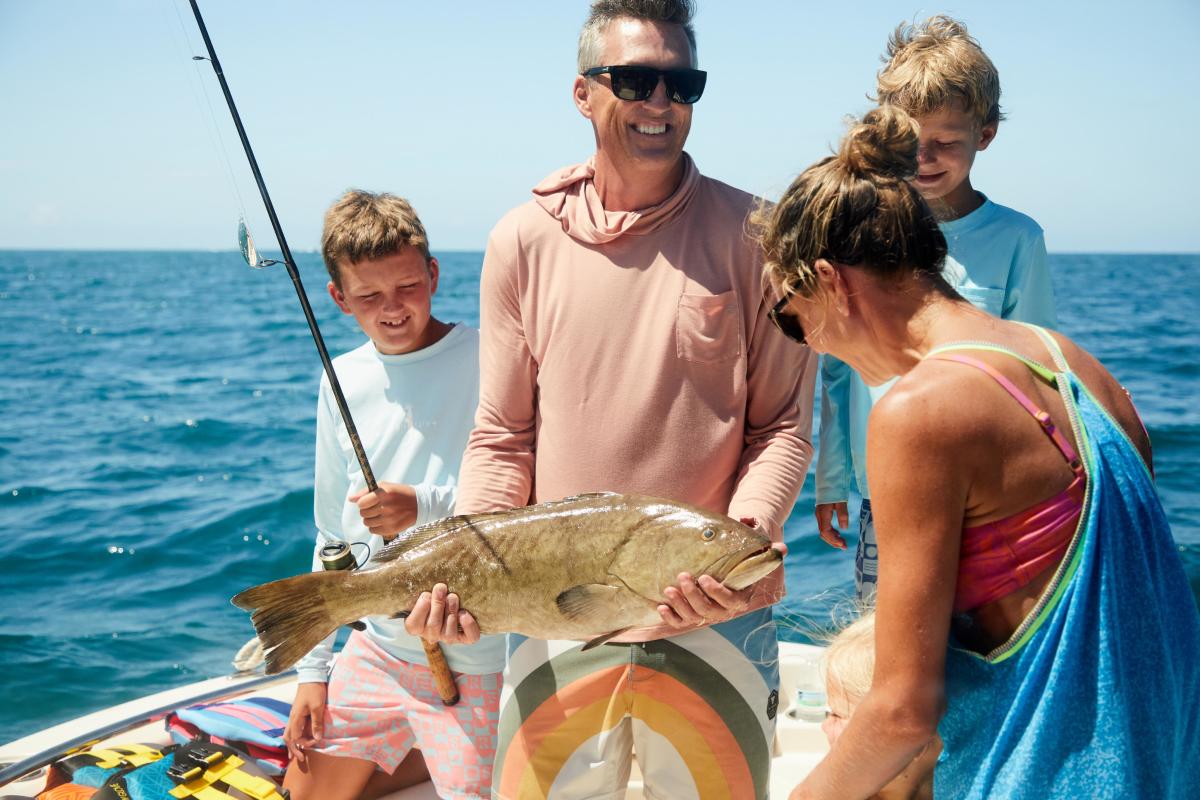
Bring layers to stay comfortable throughout the day, and don't forget polarized sunglasses for better visibility on the water, along with lightweight, moisture-wicking long-sleeve shirts that provide excellent all-day sun protection. Reef-safe sunscreen is a best practice on any trip this close to the Gulf Stream ecosystem. Most tackle and bait are provided by the charter, though serious anglers should confirm with their captain whether to bring any specific gear; food and drinks in a soft cooler are your responsibility, and alcohol policies vary by vessel.
Licensing and Conservation on the Water
North Carolina requires a saltwater fishing license for anglers 16 and older. Some charter vessels carry a headboat license that covers all passengers, while others require individual licenses, so confirm this detail at the time of booking. Responsible fishing is woven into the offshore culture of the Crystal Coast, and most captains follow or exceed NOAA regulations on billfish, with strong encouragement of catch-and-release practices for blue marlin and white marlin. Tournament conservation scoring at events like the Big Rock has helped shift the culture further toward live releases, and most experienced anglers here are genuinely invested in the long-term health of the fishery. Fishing these waters is an experience tied to real stewardship of the marine environment, and that connection to the place runs deep.
From the Gulf Stream to Your Dinner Plate
One of the most rewarding finishes to an offshore trip is the meal that follows it. Most charter captains will fillet and bag the day's catch before you leave the dock, sending you off with fresh Mahi-mahi or yellowfin tuna ready for the kitchen. Several restaurants, particularly those carrying the Carteret Catch designation that identifies locally sourced seafood, may be able to prepare your fish the same evening if you call ahead. Sitting down to a plate of Mahi-mahi pulled from the Gulf Stream a few hours earlier is one of the defining pleasures of a Crystal Coast fishing trip, and a detail worth planning around.
Set Your Course: Plan Your NC Coast Offshore Fishing Trip
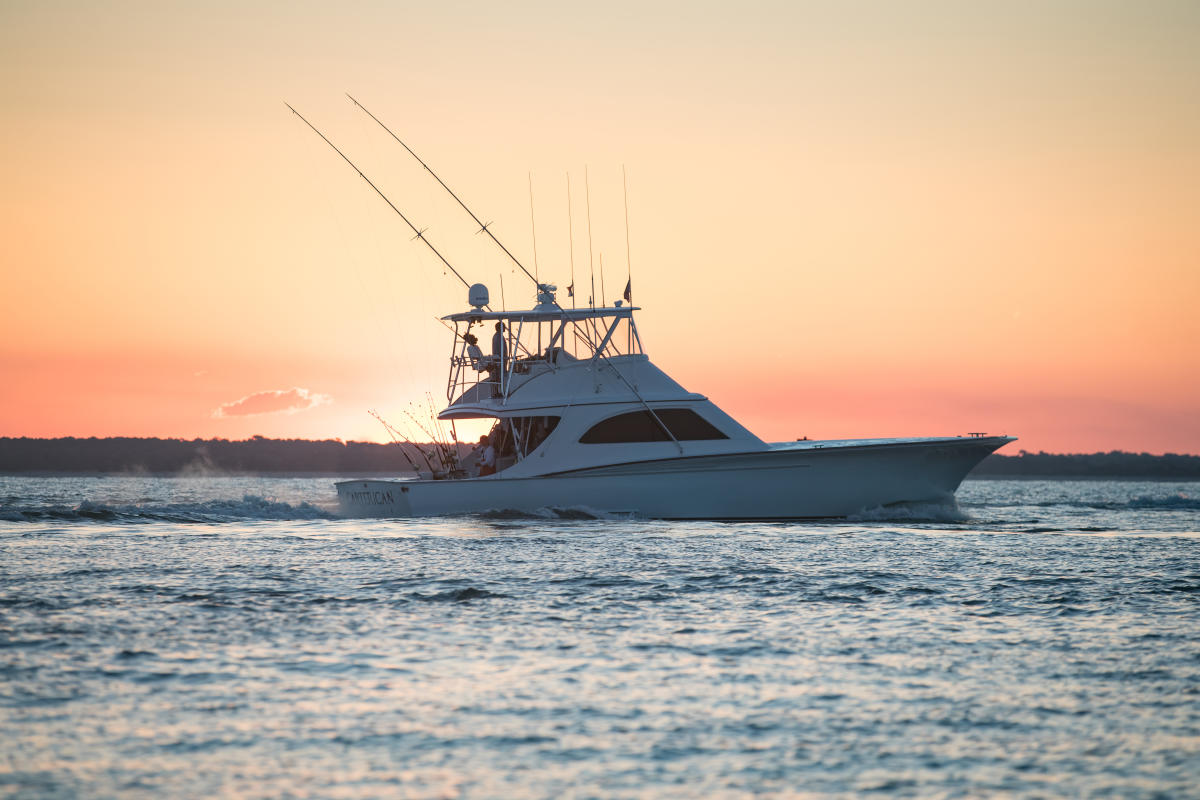
Everything about offshore fishing from the Crystal Coast comes back to proximity: proximity to the Gulf Stream, proximity to the species that travel with it, and proximity to a depth of charter expertise that has been building in the Southern Outer Banks for generations. Add the cultural weight of the Big Rock Blue Marlin Tournament, the remarkable diversity of pelagic species available through the seasons, and the satisfaction of bringing Gulf Stream fish to a Carteret Catch table that same evening, and the case makes itself. Picture yourself heading out from the coast as the sky goes pink over the inlet, the engines at full throttle, the water shifting from green to blue beneath the hull, and somewhere out ahead of you, a blue marlin waiting to provide you with the thrill of a lifetime. Browse the Crystal Coast charter listings, start conversations with captains about what they've been finding, and book early, especially if summer or Big Rock season is on your radar. Come out here and find out for yourself what this water is capable of.