
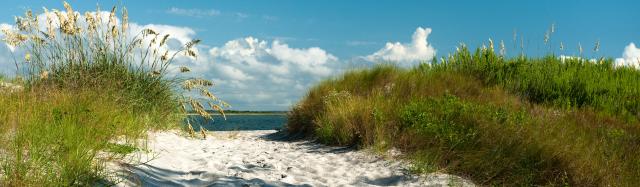
Inshore fishing is one of the defining ways to experience North Carolina's Southern Outer Banks®, not a pastime tacked onto a beach vacation but a continuation of a working maritime culture that has shaped Carteret County for generations. Here, 85 miles of barrier-island coastline give rise to a network of sounds, inlets, and salt marshes that sit apart from the open Atlantic, a sheltered, nutrient-rich system of water separate from the open ocean. This is real fishing water, used by charter captains and lifelong locals who read tides and structure the way others read a map. Whether you're a family casting off a dock for the first time or a seasoned angler chasing red drum through the backwaters behind Cape Lookout, these waters have room for both.
What Makes the Southern Outer Banks an Inshore Fishing Destination
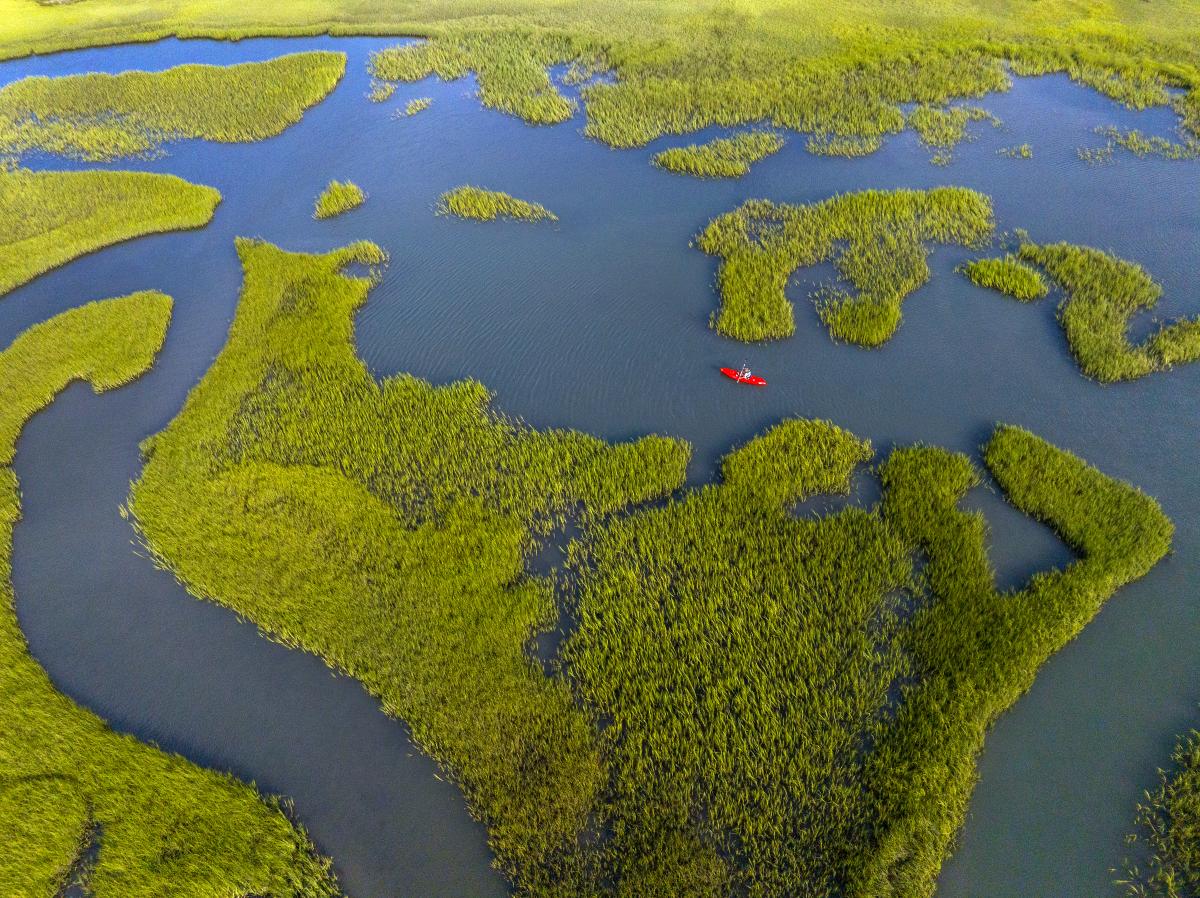
The Crystal Coast owes its productive inshore fishing to an unusual geography: the Bogue Banks portion of our barrier islands here runs east-west rather than north-south, angling the sounds, inlets, and marshes tucked behind them into a distinct, sheltered system. That orientation creates backwaters that are shallower and rich with structure, oyster rakes, grass flats, and marsh creek edges, where baitfish gather in numbers gamefish can't resist. These waters function as nurseries and feeding grounds, not stocked ponds or manicured canals, and the fish that move through them are wild, migratory, and shaped by the same tides that shape the marsh itself. Fishing here means fishing a living ecosystem, one that rewards anglers willing to learn how tides, structure, and season work together.
The Sounds and Backwaters: Bogue Sound, Core Sound, and the Newport River
Bogue Sound lies between Morehead City on the mainland and Emerald Isle and Atlantic Beach on the barrier island, offering wide grass flats and scattered oyster rakes that hold red drum and speckled trout through much of the year. Core Sound, tucked between Cape Lookout National Seashore and the small towns of Down East, is shallower and more marsh-lined, with winding creeks that reward anglers willing to pole or drift quietly into the shallows. The Newport River adds deeper channels and current-swept edges near Beaufort, where flounder and other structure-oriented species tend to hold. Because these waters sit directly behind towns where people live and work, fishing access on the Crystal Coast isn't a separate attraction bolted onto a vacation; it's woven into the daily rhythm of Carteret County.
Salt Marsh Ecosystems and Why Fish Thrive There
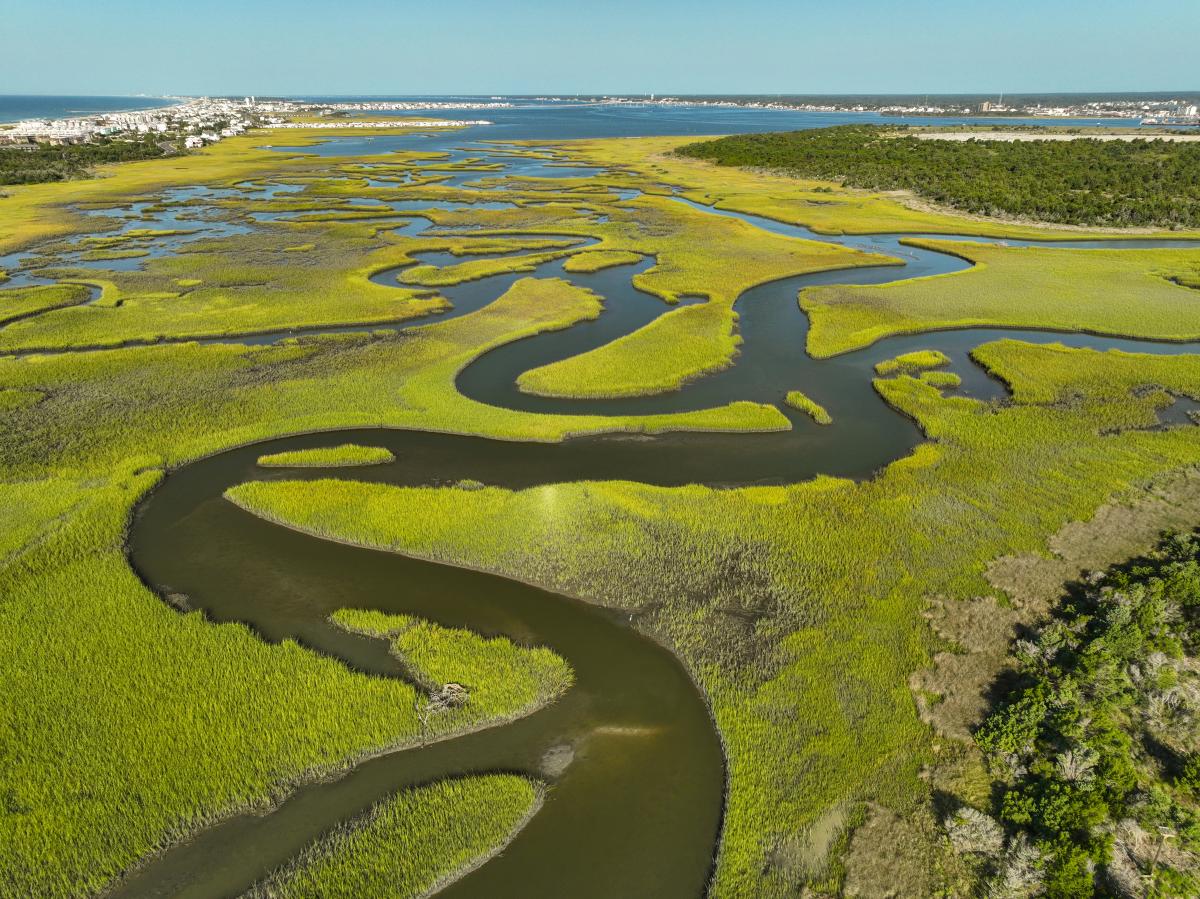
Spartina marshes are key to inshore fishing on the Crystal Coast, providing essential habitat for many of the species anglers pursue, and understanding them will make you a better angler almost immediately. Twice a day, the tide floods into the marsh, carrying baitfish, crabs, and shrimp into the grass, then pulls back out through narrow creek mouths, funneling that same bait and the gamefish following it into predictable ambush points. Red drum push onto flooded flats to root through the grass at high water, while speckled trout and flounder often stack up at creek mouths on the outgoing tide, waiting for the buffet to come to them. Once you start reading a marsh by its tide rather than its scenery, you'll understand why local guides plan entire trips around a single creek mouth.
Signature Inshore Species of the Crystal Coast
Knowing what you're targeting, and when, turns a day on the water from a guess into a plan. The species below make up the core of inshore fishing on the NC coast, each with its own preferred habitat, feeding pattern, and season of peak activity. Learn to recognize these patterns, and you'll spend less time searching and more time with a bent rod.
Red Drum (Redfish)
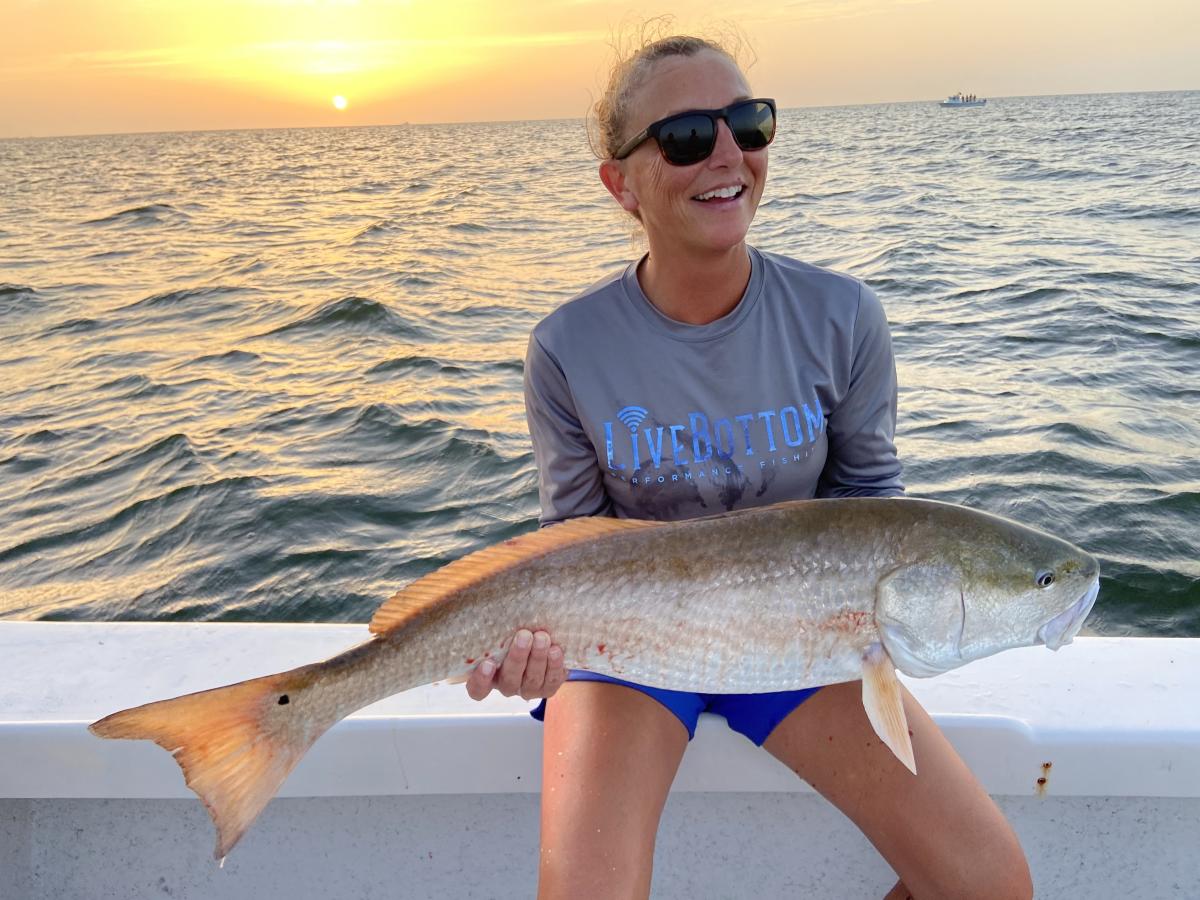
Red drum, often called redfish, are the signature catch of Southern Outer Banks inshore fishing, prized for their willingness to feed in water barely deep enough to cover their backs. Look for them along marsh edges, oyster bars, and shallow flats, especially on a flooding tide when they push into the grass to root out crabs and shrimp. Anglers often spot them "tailing," their bronze tails breaking the surface as they feed nose-down in skinny water, a sight that draws light-tackle anglers back season after season. Their size and strength on light gear make them one of the most sought-after fish in the sounds behind Emerald Isle and Cape Lookout.
Speckled Trout
Speckled trout hold in different water depending on the season, favoring grass flats in the shoulder months and settling into deeper holes and channel edges as water temperatures shift. They're an aggressive strike, often hitting topwater lures and soft plastics worked over structure near Bogue Sound and Core Sound. Local guides rank speckled trout among their favorite inshore targets, both for the fight and for their reputation on the table, where they show up on menus across Carteret County. Their sensitivity to temperature changes makes them one of the better species to key in on as the seasons turn.
Southern Flounder
Southern flounder are ambush predators, built to lie flat against the bottom near inlets, channel edges, and any structure that funnels baitfish past their hiding spot. Rather than chasing prey across open water, they wait for it to come to them, which means anglers do best working jigs and live bait slowly along the bottom near creek mouths and channel drop-offs. Their camouflage and patience make them harder to locate than red drum or speckled trout, but that difficulty is part of what makes them a prized catch for visiting anglers. Flounder around the Newport River and Beaufort Inlet areas are a favorite target for anglers looking to fill a cooler with a well-earned meal.
Spanish Mackerel and Bluefish
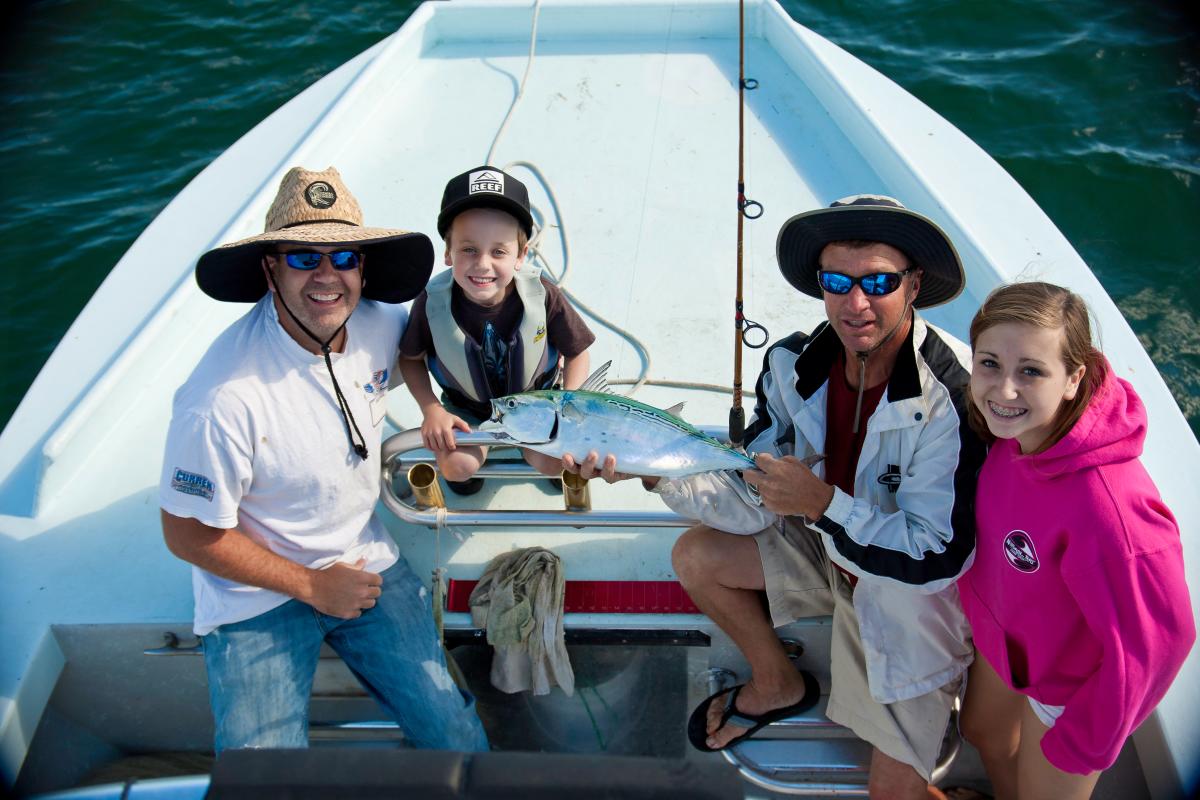
Spanish mackerel and bluefish bring a different kind of energy to inshore fishing on the Crystal Coast, moving fast through the water in tight schools that create explosive, visible feeding frenzies. Both species show up seasonally, with spring and fall runs pushing them from nearshore waters into the inlets and sound mouths as they follow bait. Light-tackle anglers often target them with small spoons or jigs worked quickly through the water, since a fast retrieve tends to trigger the most strikes. Their runs are shorter and more unpredictable than the resident species, which makes timing a trip around them part of the fun.
The Best Times to Fish Inshore Waters
Every season on the coast offers something different for inshore anglers, and none of them should be considered off-limits. Understanding what's biting and why helps you plan a trip around the fishing rather than working around the calendar. The rundown below moves through the year, season by season.
Spring: The Season of Migration
Spring marks the return of baitfish and gamefish into the sounds as water temperatures climb, setting off a steady uptick in activity throughout Bogue Sound and Core Sound. Speckled trout become more active as they move out of their winter holes, and early red drum start showing up along marsh edges and shallow flats. Bait pushing in through the inlets draws predators with it, making the transition weeks between winter and summer some of the most productive of the year. Anglers willing to fish light tackle during this stretch often find some of the most productive water of the year.
Summer: Long Days on the Flats
Summer brings long daylight hours that stretch the fishing day well beyond a typical morning trip, with early mornings and evenings offering the most comfortable and productive windows. Topwater action for red drum picks up on the flats, especially around dawn when the surface stays undisturbed, and strikes are easy to see. Many visitors pair a morning on the water with the region's broader summer offerings, from paddling salt marshes to spending afternoons on the beach. The flats behind Emerald Isle and Cape Lookout are especially active this time of year, rewarding anglers who get out early.
Fall: Peak Inshore Action
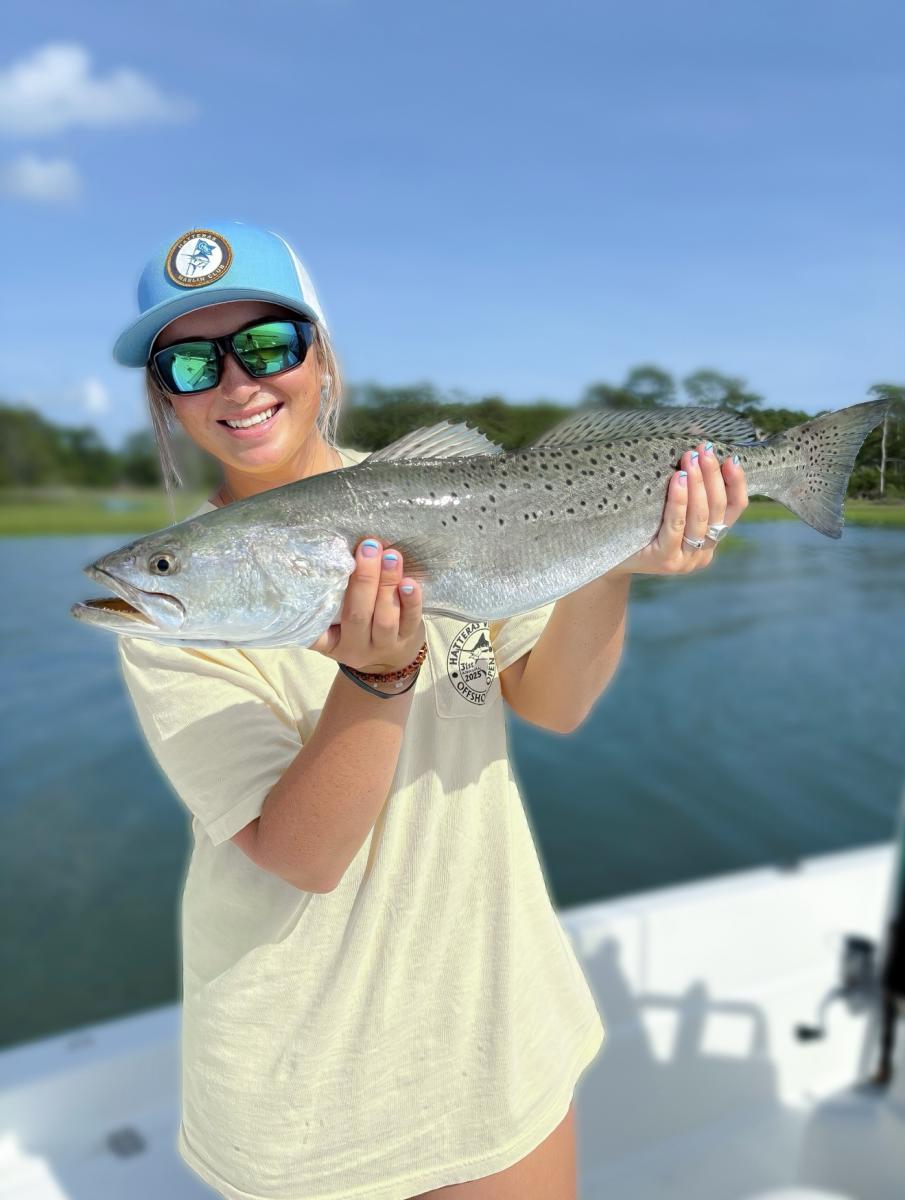
Fall is the season many local guides look forward to all year, as bait pushes hard through the inlets ahead of the first cold fronts and gamefish key in on the movement. Red drum and speckled trout both feed aggressively during this window, often growing larger as they bulk up before winter. The Newport River and Core Sound see some of their most consistent action of the year during this stretch, with fish stacking up near structure and current. For anglers chasing a single best time to visit, fall consistently earns the nod from those who fish these waters for a living.
Winter: Quiet Water, Focused Fishing
Winter on the North Carolina Coast brings open water and a different kind of focus, echoing the same appeal that makes this season a favorite for stargazing and uncrowded shelling elsewhere on the coast. Speckled trout move into deeper holes as temperatures drop, often grouping in numbers that reward anglers willing to fish slowly and precisely. The pace shifts from covering water to working a single hole thoroughly, and many local guides describe this dialed-in style of fishing as some of the most satisfying of the year. For anglers chasing larger trout, winter is worth planning around rather than working around.
Practical Tip: Tidal timing matters as much as season when planning an inshore trip. Check a current tide chart before heading out, since the same spot can fish completely differently on a rising versus falling tide.
Where to Fish: Signature Inshore Waters and Access Points
Knowing where to start matters as much as knowing what to fish for, especially in a region with as much water as the Southern Outer Banks has to offer. The named waters below give you a starting map, along with the practical access details you'll need to plan a trip, whether by charter or on your own. Each one has its own character, and most anglers eventually settle into a favorite.
The Flats and Backwaters Near Cape Lookout
The shallow flats and creeks behind Cape Lookout National Seashore are some of the most storied inshore waters on the Crystal Coast, known especially for sight-fishing red drum in skinny water. Access here is primarily by boat, since the flats sit behind an island reachable only by ferry or private vessel. The clarity of the shallow water makes it possible to spot tailing red drum from a distance, giving anglers time to plan a cast rather than react to a strike. Because this area sits within the national seashore, it also carries a strong conservation ethic, with anglers expected to fish responsibly around nesting shorebirds and fragile marsh grass.
Bogue Sound and the Emerald Isle Backwaters
Bogue Sound and the marsh creeks behind Emerald Isle and Bogue Banks offer some of the most accessible inshore water in the region, with grass flats and creek mouths that hold fish throughout the year. Because these waters are close to shore and relatively easy to navigate, they're a solid starting point for visiting anglers running their own boat or kayak. Charter captains also work this water regularly, particularly for half-day trips suited to families or anglers newer to inshore fishing. Red drum, speckled trout, and flounder all move through here depending on the season and tide.
Beaufort and Harkers Island Waters
The waters around Beaufort's working waterfront and Harkers Island connect inshore fishing directly to the region's maritime heritage; Beaufort is a town recognized as North Carolina's third-oldest. Both serve as launching points for fishing charters as well as ferries to Cape Lookout, making them a practical base for a fishing-focused trip. The Newport River and nearby channels hold flounder and red drum near structure, while the working docks and boatyards along the waterfront are a reminder that fishing here is a livelihood as much as a pastime. Basing a trip out of Beaufort or Harkers Island puts anglers close to several distinct types of water within a short boat ride.
Booking a Charter or Fishing on Your Own
Most visitors reach a practical decision point early in planning an inshore trip: book a guided charter or head out independently. Both are legitimate ways to fish, and the right choice depends mostly on your familiarity with local water and how much of the day you want to spend learning versus fishing. Here's what to consider for each.
Fishing With a Local Charter Captain
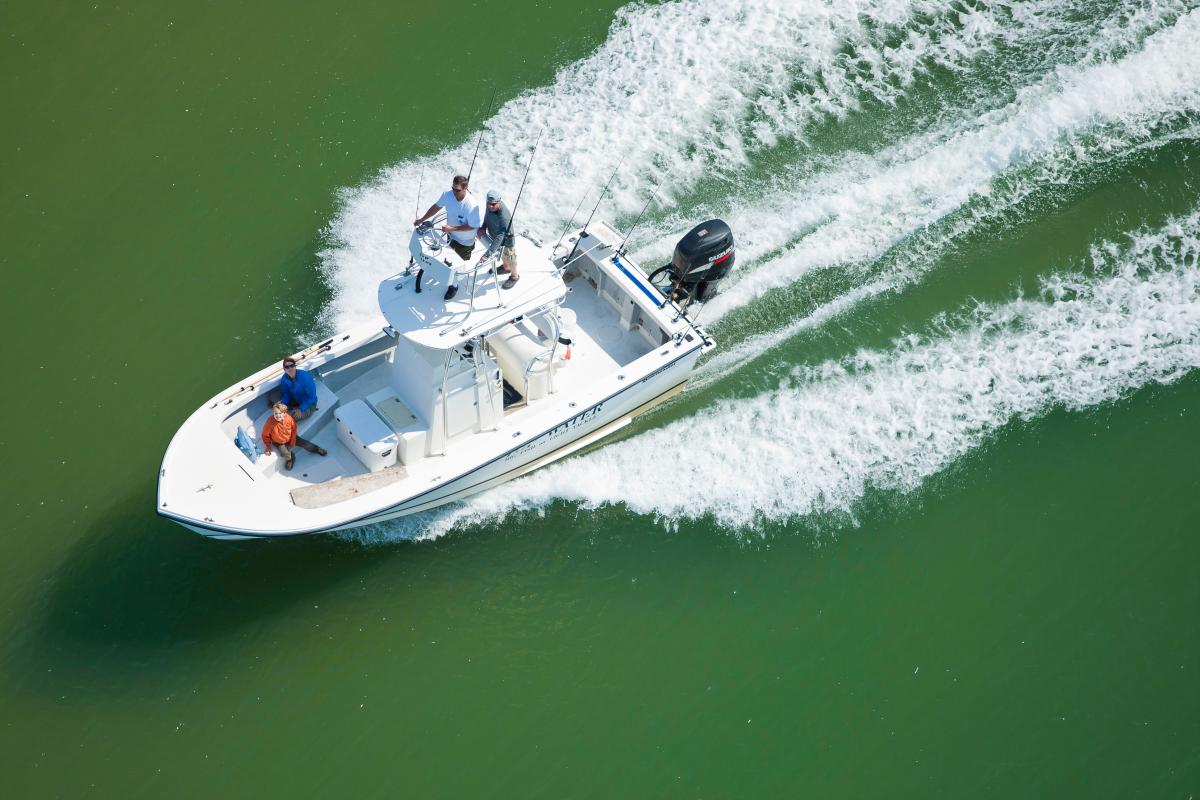
A guided trip is often the fastest way for visitors to catch fish and understand the water at the same time, since charter captains bring generations of local knowledge to reading tides, structure, and fish behavior. Many captains grew up fishing these same sounds and creeks, and that familiarity translates into knowing where fish are likely to be on a given tide rather than guessing. Charters also often take care of the gear, licensing, and logistics, which removes a lot of the friction for first-time visitors. Many captains offer family-friendly and beginner-focused trips as well, so a charter isn't only for serious anglers chasing a personal best.
DIY Inshore Fishing for Visitors With Their Own Boat or Kayak
Anglers with their own boat or kayak can absolutely fish these waters independently, though a little preparation goes a long way. Start by checking tide charts before heading out, since inshore fishing here is driven as much by tidal movement as by season. Respect posted no-wake zones near marsh habitat, both for safety and to protect the fragile grass that supports the entire ecosystem. Beginners are often better served by starting in more accessible waters, like Bogue Sound, before venturing into the narrower, less familiar backwaters behind Cape Lookout or Core Sound.
What to Know Before You Go
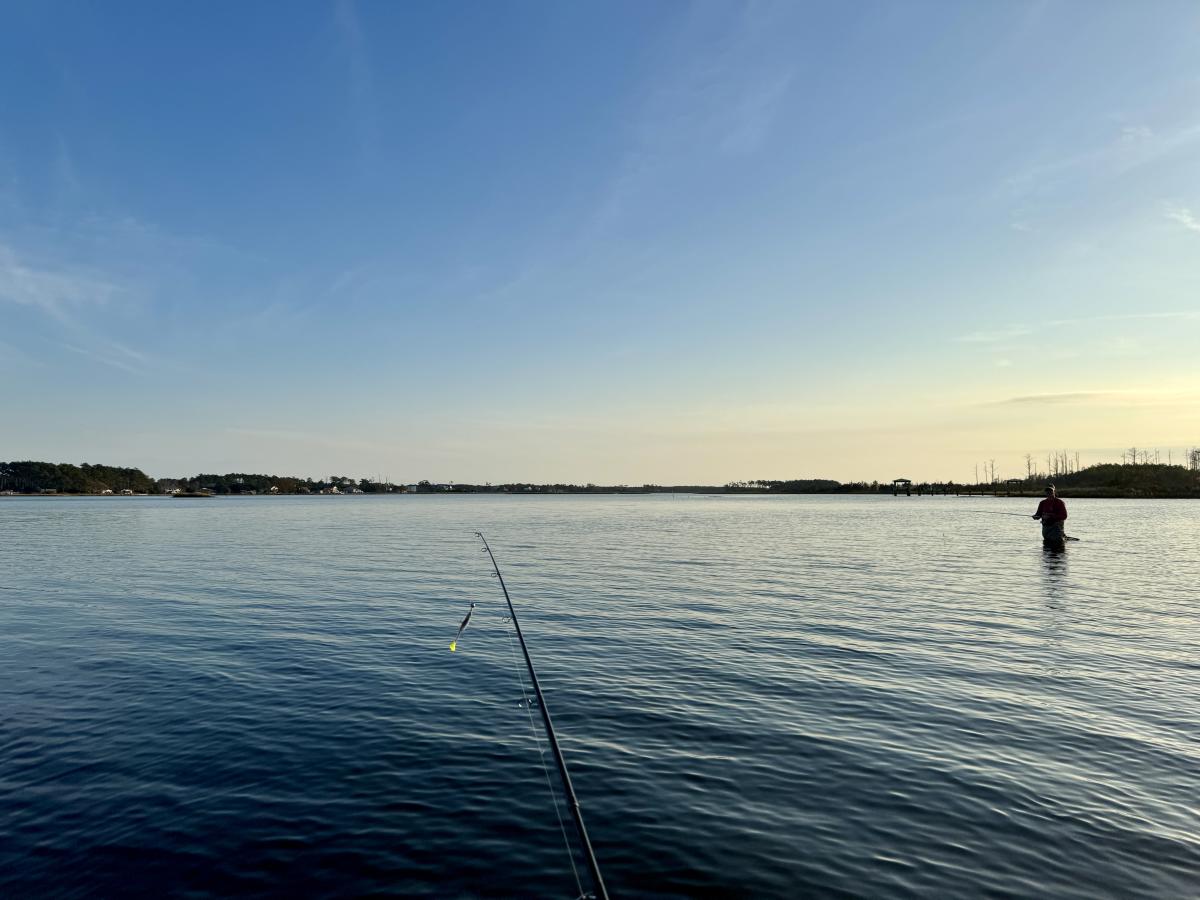
A little planning ahead makes an inshore fishing trip smoother and more productive, whether you're booking a charter or heading out on your own. The details below cover licensing, what to pack, and how to fish responsibly in a living ecosystem. Knowing these basics ahead of time means more of your trip goes toward fishing and less toward figuring things out.
North Carolina Fishing License Requirements
Anglers 16 and older need a valid NC Coastal Recreational Fishing License to fish the coastal waters, including the sounds and backwaters covered in this guide. Licenses can be purchased online through the NC Wildlife Resources Commission or in person at local tackle shops throughout Carteret County. Prices can change, so it's worth checking current rates before your trip rather than relying on older information. Most charter captains handle licensing for guests as part of a booked trip, which is one more reason a guided trip appeals to first-time visitors.
What to Bring and Wear
Light-tackle spinning gear is the standard setup for most inshore species, and most tackle shops in the area can help outfit visitors who don't want to travel with their own rods. Polarized sunglasses are worth prioritizing, since they cut glare on the water and make it possible to spot tailing red drum or a flounder holding near structure. Sun protection matters year-round here, from a wide-brimmed hat to reef-safe sunscreen, given how much time inshore fishing spends on open water. Layers are worth packing as well, since mornings on the sound can feel different from the middle of the day.
Fishing Responsibly in a Living Ecosystem
Inshore fishing depends on treating the marsh and sound system as the living ecosystem it is, not simply a backdrop for catching fish. Following current catch limits helps keep populations of red drum, speckled trout, and flounder healthy for the next season and the next generation of anglers. Careful handling and quick release practices, keeping fish in the water when possible and minimizing time out of the water, give released fish the best chance of survival. Respecting marsh habitat and wildlife, including nesting shorebirds along the edges of Cape Lookout National Seashore, protects the same conditions that make this fishery productive in the first place.
Cast Off: Plan Your Adventure
Inshore fishing on the Crystal Coast connects visitors to the same waters, marshes, and maritime traditions that have defined Carteret County for generations, long before anyone called it a vacation destination. A morning on the flats or tucked into a backwater creek offers a different kind of coastal memory than a day spent on the beach alone, one built around patience, tide, and a bent rod. Whether you book a trip with a local charter captain or head out with your own boat, the next step is simple: check the tide charts, look into current season information, and consider pairing your fishing trip with a stay in Beaufort, Morehead City, or Emerald Isle. Picture it now: the quiet of a marsh creek at first light, spartina grass just catching the sun, and a rod bending toward the water as something finally takes the bait.