
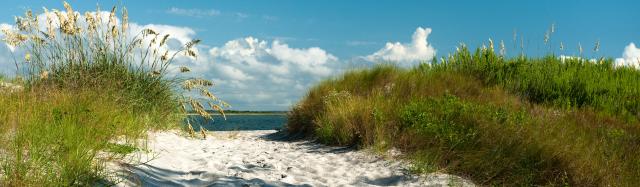
North Carolina's coastal region stands among the finest birdwatching destinations on the East Coast, where barrier islands, salt marshes, maritime forests, and estuarine waters create a tapestry of habitats supporting extraordinary avian diversity. The state's strategic position along the Atlantic Flyway transforms this coastline into a critical stopover for millions of migratory birds, with over 400 species recorded throughout North Carolina. The Crystal Coast offers particularly accessible opportunities for birders of all experience levels, from beginners taking their first steps into nature observation to seasoned enthusiasts chasing rare species. Whether you're scanning the beaches for endangered plovers or watching pelicans plunge into surf, the North Carolina coast delivers unforgettable birding experiences year round.
Understanding North Carolina's Coastal Bird Habitats
Barrier Islands and Beaches
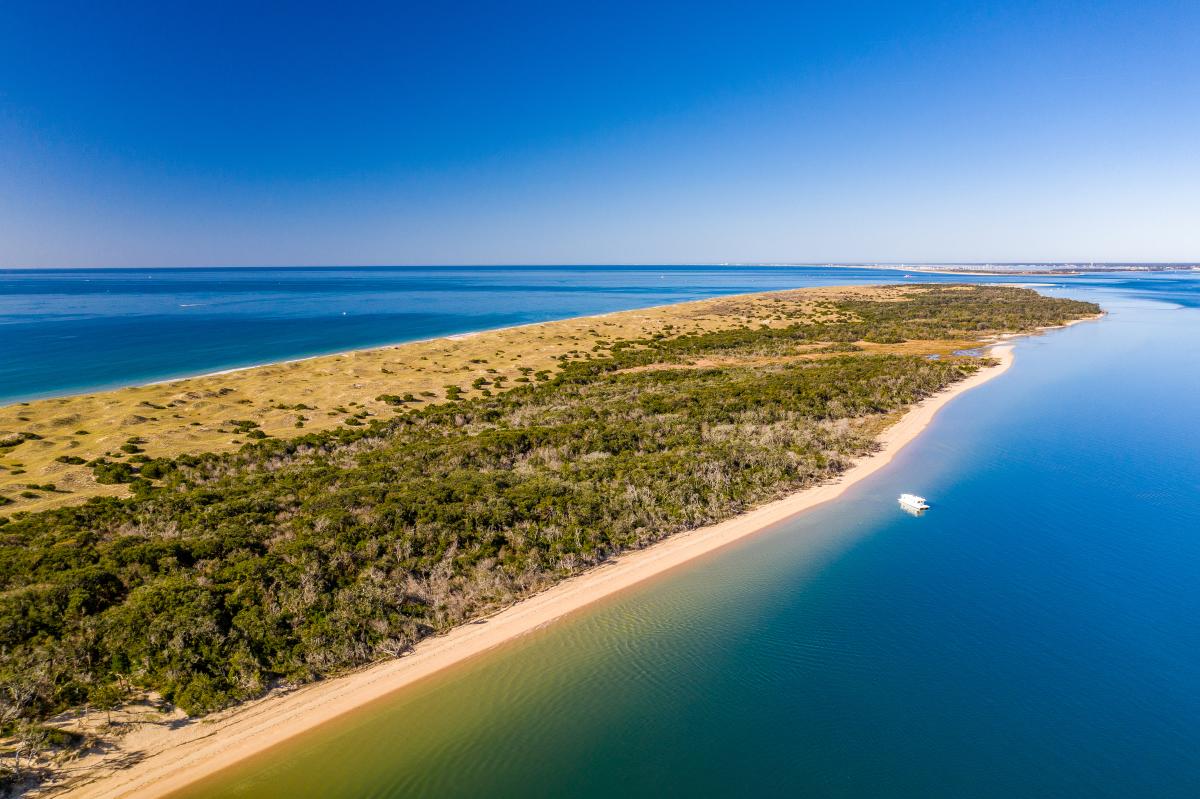
Barrier islands and sandy beaches create a dynamic, constantly shifting environment where specialized birds have evolved remarkable adaptations to survive amid wind, waves, and minimal vegetation. These exposed habitats support different species across distinct zones: terns and skimmers nest on upper beaches, plovers forage along the wrack line where waves deposit invertebrates, and various shorebirds probe the surf zone and intertidal flats. During spring and summer, these beaches become vital nesting colonies for threatened species, including Piping Plovers, Least Terns, and American Oystercatchers, which rely on undisturbed sandy areas increasingly scarce along developed coastlines.
Salt Marshes and Tidal Flats
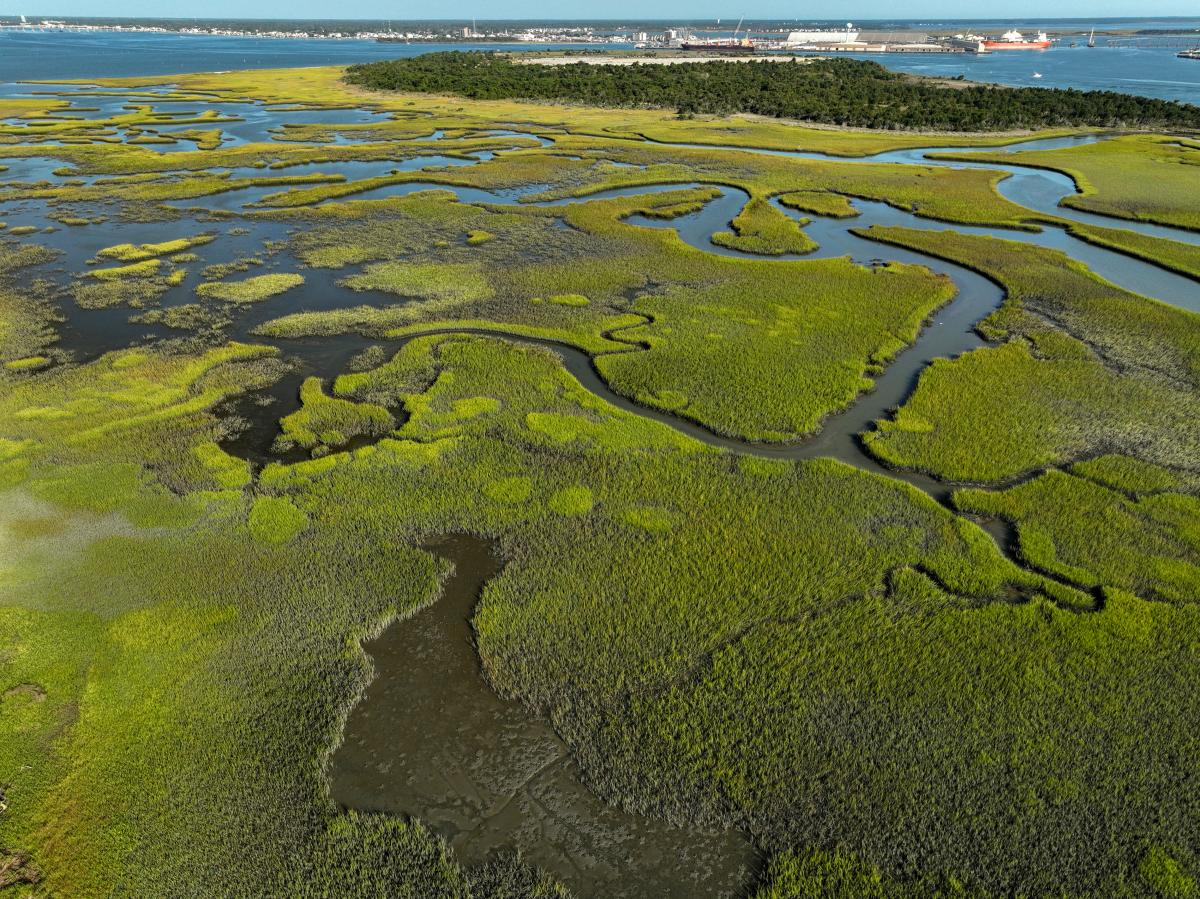
Salt marshes rank among Earth's most productive ecosystems, their twice-daily tidal rhythms creating perpetual feeding opportunities that support incredible concentrations of bird life throughout the year. Dense stands of spartina grass and other marsh vegetation provide secure nesting sites and protective cover for secretive species like Clapper Rails, Seaside Sparrows, and Marsh Wrens, while exposed mudflats at low tide transform into vast feeding grounds where shorebirds probe for worms, crustaceans, and mollusks. These habitats serve dual purposes as winter refuges for northern-breeding shorebirds and summer breeding grounds for resident marsh specialists, making them consistently productive birding destinations. Consulting tidal charts before visiting salt marshes dramatically improves your experience; the two hours before and after low tide typically offer the best shorebird viewing as receding waters concentrate birds on accessible mudflats.
Maritime Forests and Coastal Woodlands
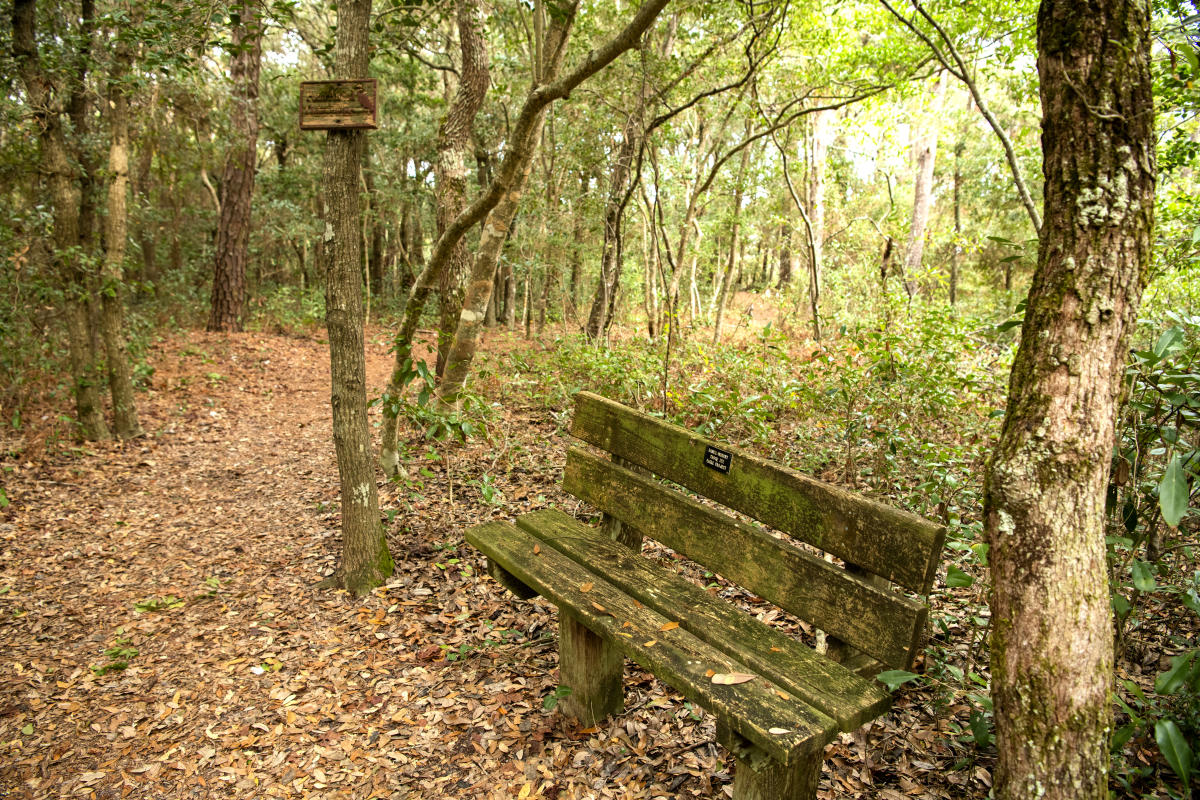
Maritime forests occupy the protected leeward sides of barrier islands and mainland coastal areas where relief from salt spray allows oaks, pines, and dense understory vegetation to flourish in conditions that would be hostile just hundreds of yards seaward. These forested habitats become lifesaving sanctuaries for exhausted migrating songbirds that have just completed dangerous flights across open water, offering the first food and shelter after their Gulf Stream or Atlantic crossings. Resident species, including Red-headed Woodpeckers, Great Horned Owls, and Carolina Chickadees inhabit these woods year round, but the real excitement occurs during spring and fall migration when weather conditions can trigger spectacular "fallouts" (concentrations of hundreds of warblers, thrushes, and other songbirds descending into coastal forests).
Sounds, Bays, and Estuarine Waters
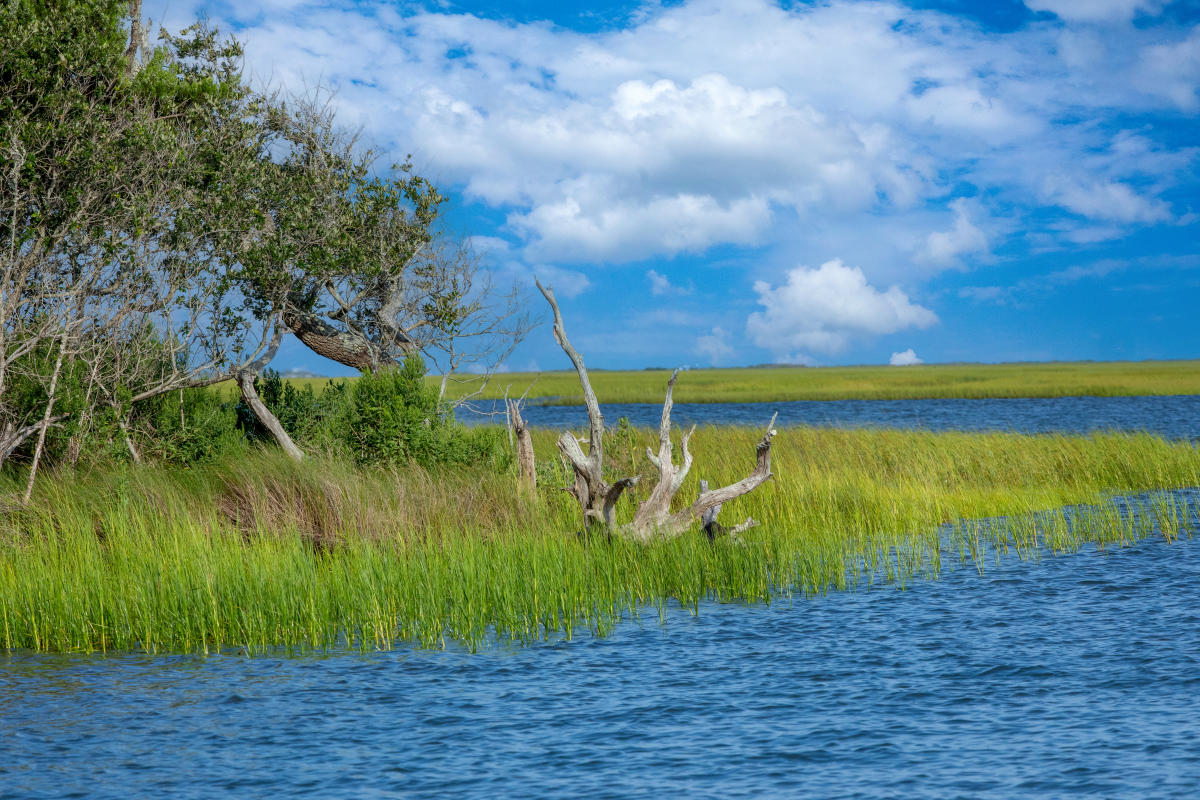
North Carolina's extensive sound system, including Bogue Sound and Core Sound, creates shallow, protected waters where freshwater rivers meet the Atlantic, generating nutrient-rich conditions that support dense populations of fish and invertebrates that attract feeding birds in spectacular numbers. These estuarine environments host diving ducks, loons, grebes, and cormorants that pursue fish beneath the surface, while Brown Pelicans and terns plunge from above and various gulls patrol for surface opportunities. Winter transforms these waters into waterfowl magnets, with thousands of Buffleheads, scaup, mergansers, and occasional rare visitors like scoters congregating where food abundance and sheltered conditions provide ideal wintering habitat. Productive viewing locations include fishing piers, boat ramps, waterfront parks, and bridge crossings where you can scan open water from stable vantage points; bringing a spotting scope dramatically enhances your ability to identify distant birds on the sound.
Iconic North Carolina Coastal Birds to Watch For
Brown Pelicans: The Coast's Comeback Icon
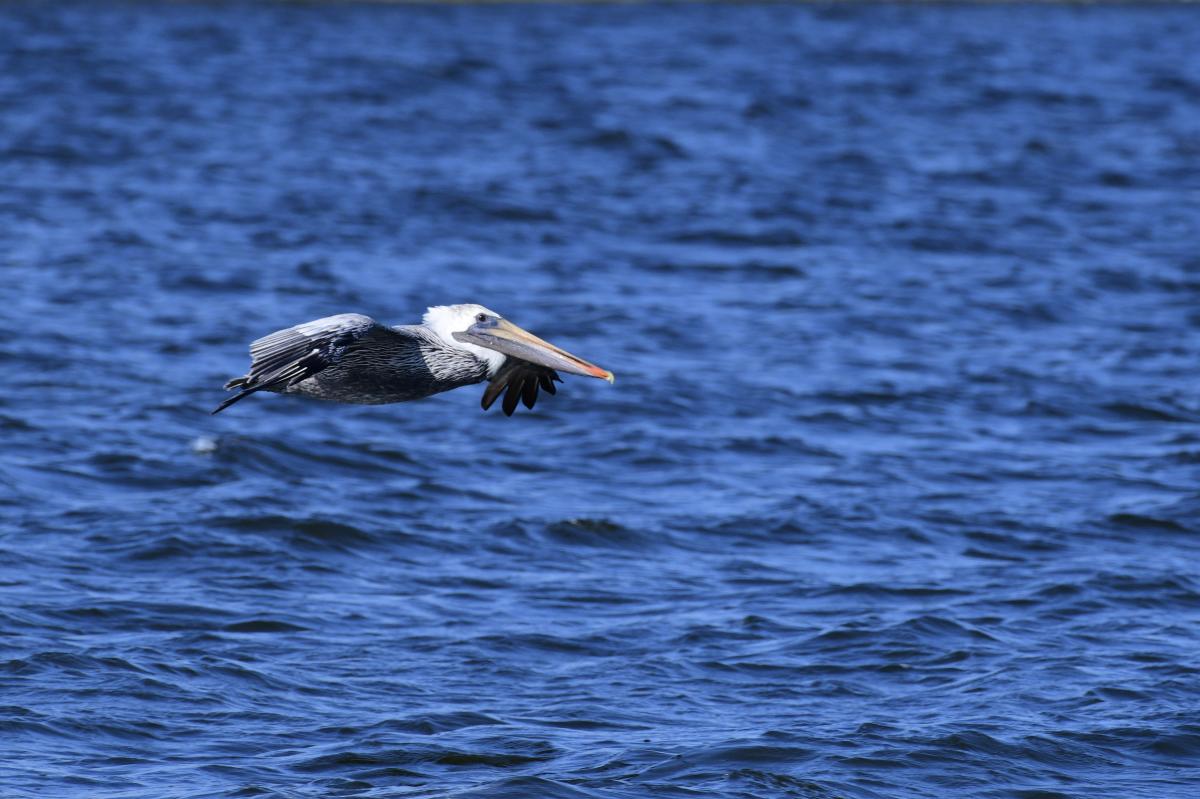
The Brown Pelican represents one of conservation's greatest success stories, rebounding from near-extinction in the 1970s when DDT contamination devastated populations to current abundance as the most conspicuous and easily observed large bird along the Crystal Coast. These impressive birds display distinctive features including bulky bodies up to four feet long, massive bills with expandable throat pouches capable of holding three gallons, and six-foot wingspans that carry them in graceful, low formations just above the waves. Their spectacular hunting behavior (plunging headfirst from heights up to 60 feet, hitting the water with tremendous impact, then surfacing to drain their pouches and swallow captured fish) never fails to captivate observers. Brown Pelicans maintain year round presence along North Carolina's coast with peak numbers during warmer months, their breeding plumage featuring rich chestnut necks and white heads that contrast with non-breeding birds' plainer appearance.
Piping Plovers and Other Endangered Shorebirds
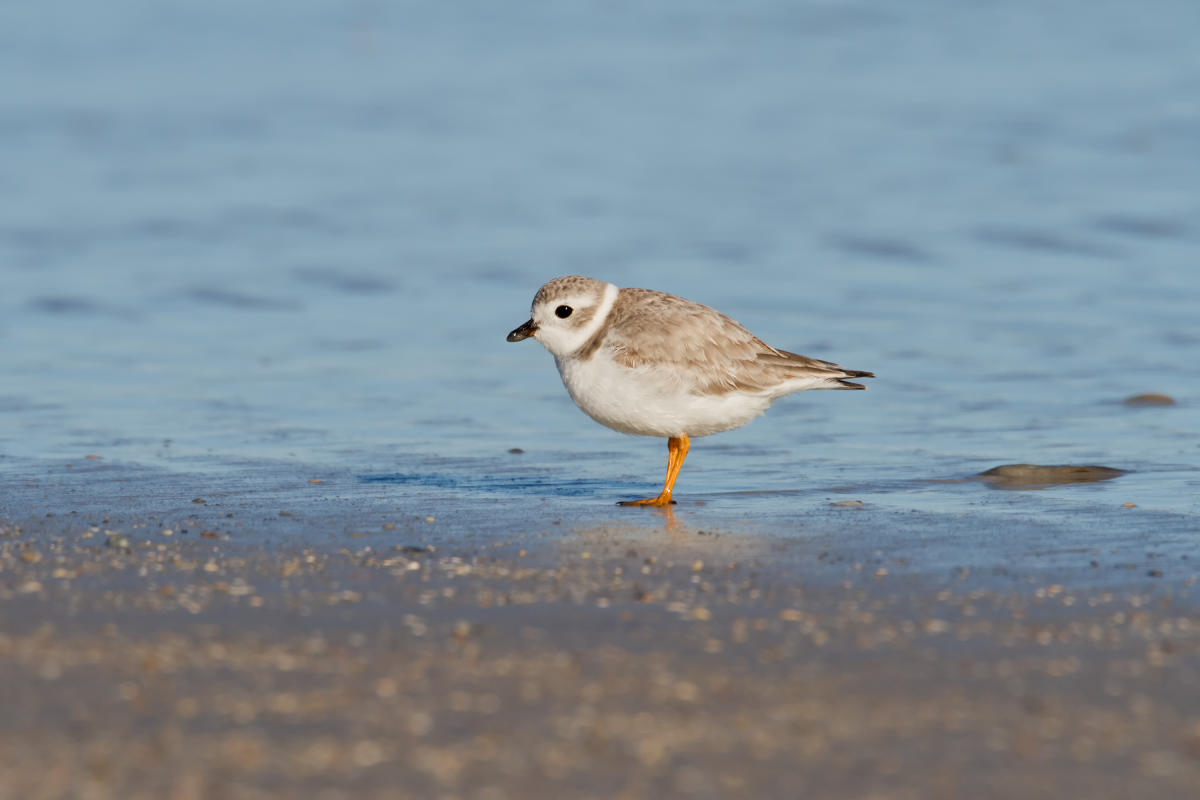
Piping Plovers rank among North Carolina's most critically important bird species, with the state's beaches hosting substantial wintering populations and a small number of breeding pairs of this federally threatened shorebird. These sparrow-sized plovers display pale, sandy plumage that provides excellent camouflage on beaches but makes them dangerously vulnerable to disturbance from beachgoers, vehicles, and unleashed dogs that may not notice them until it's too late. Seasonal beach closures, protective fencing around nesting areas, and symbolic fencing marking foraging zones reflect intensive management efforts to protect plovers and other beach-nesting species; respecting these boundaries is essential for bird survival. Other species deserving attention include the distinctive American Oystercatcher with its bright orange bill and Red Knots that depend on horseshoe crab eggs during migration.
Great Blue Herons and Egrets
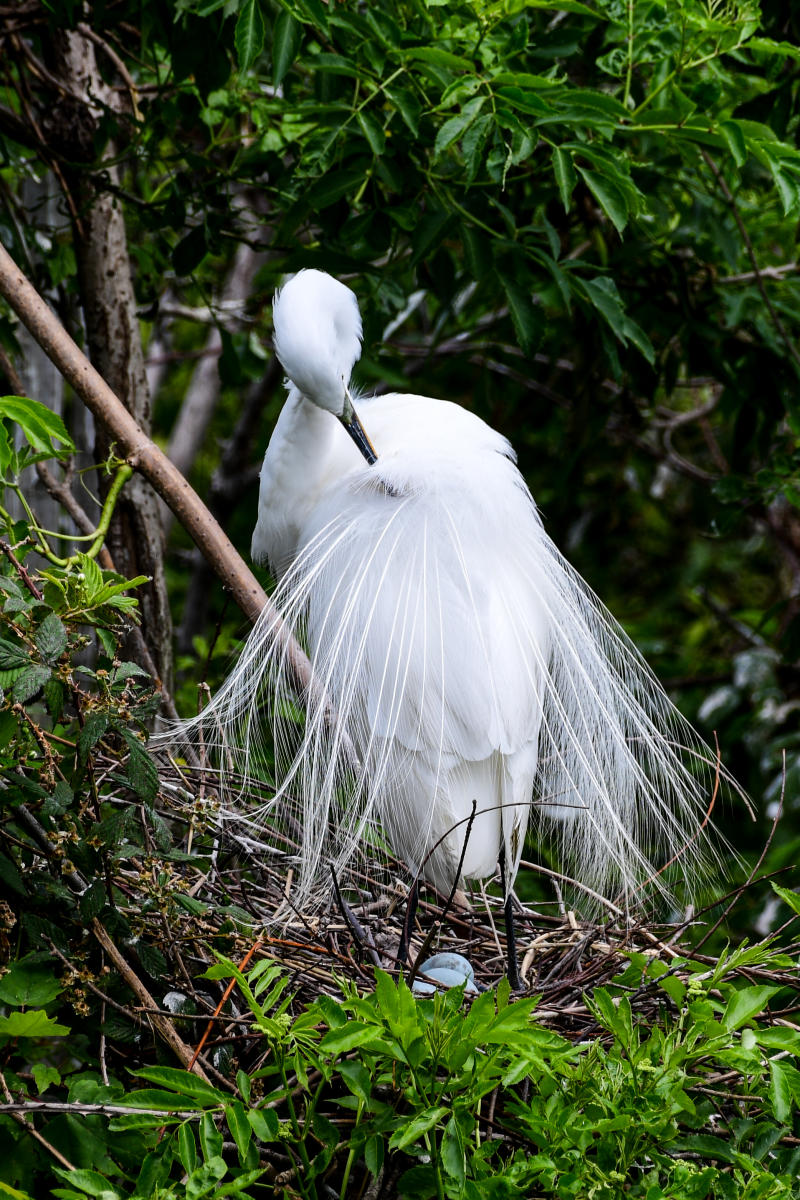
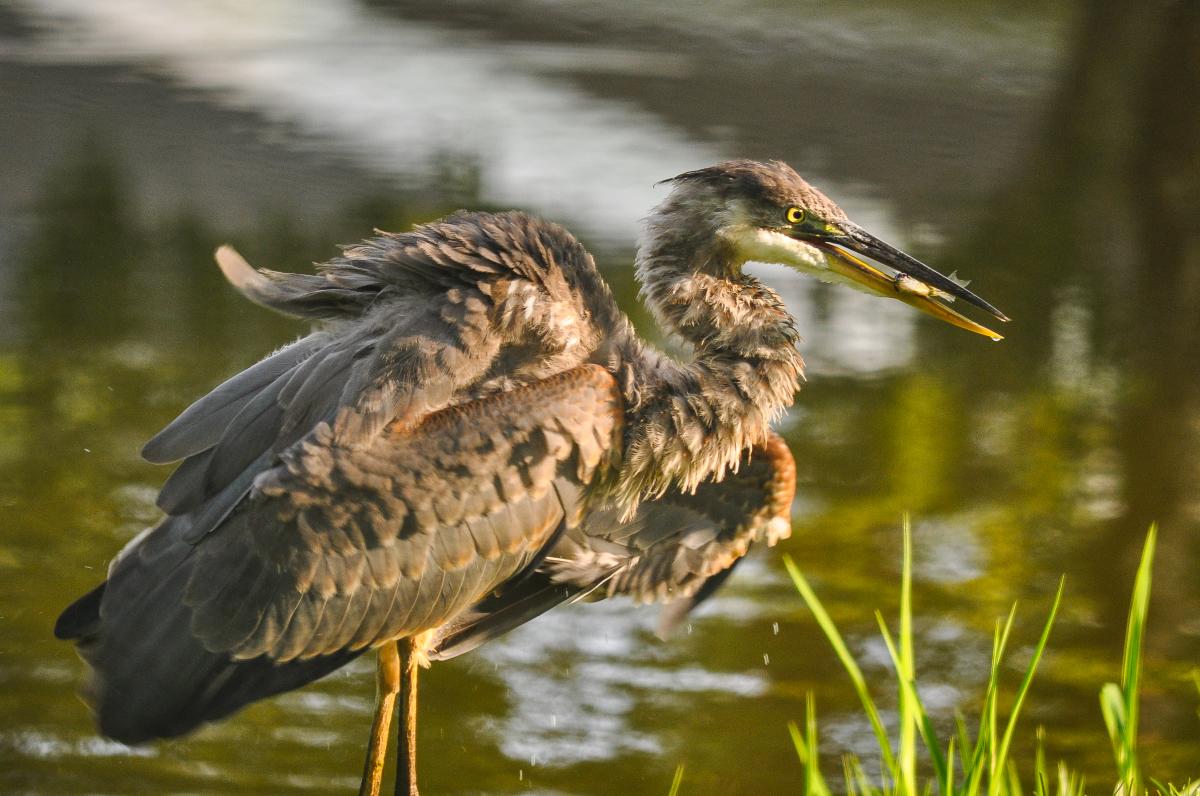
Wading birds define the visual character of coastal marshes and shallow waters, with the stately Great Blue Heron (standing four feet tall with blue-gray plumage and a dagger-like bill) epitomizing the patient hunting strategy these birds employ while waiting motionless for fish, crabs, or other prey. The smaller egrets include the three-foot-tall Great Egret with its yellow bill and black legs, and the even more diminutive Snowy Egret distinguished by its black bill, yellow feet, and elegant breeding plumes. These birds nest communally in rookeries (often sharing islands with herons, ibises, and other colonial species) where dozens or hundreds of pairs create noisy, active colonies during breeding season. When observing rookeries or feeding birds, maintain respectful distances that don't cause birds to flush from perches or abandon feeding areas.
Ospreys: The Fish Hawks of the Coast
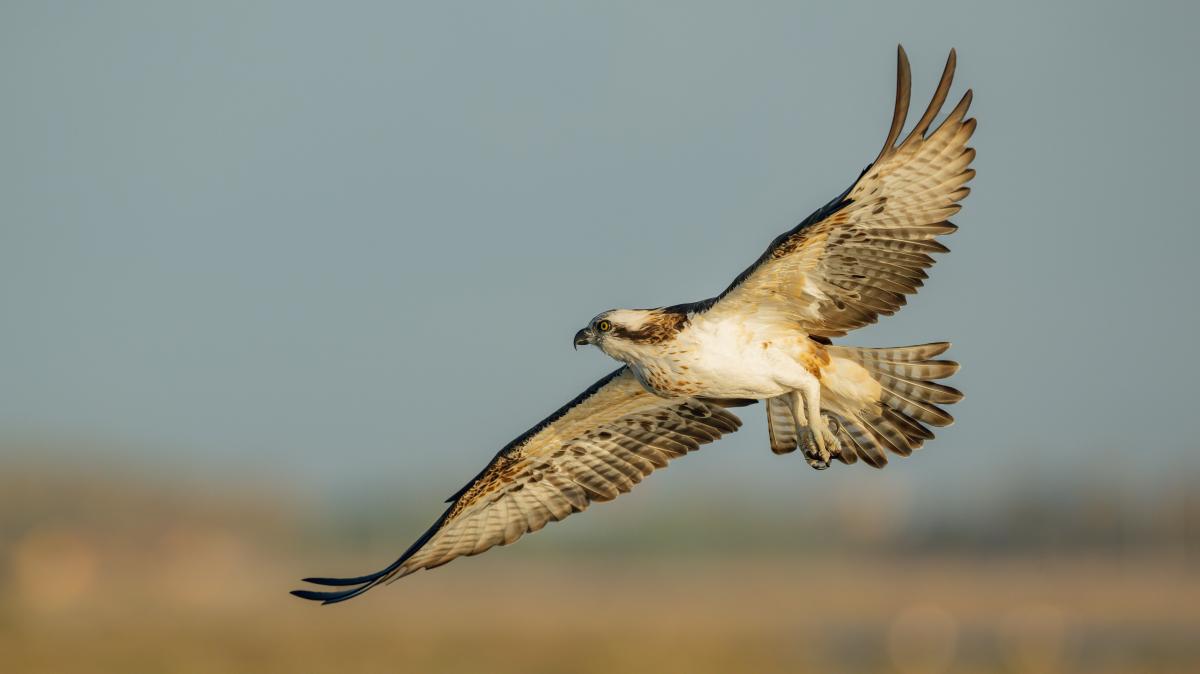
The Osprey commands attention with its distinctive appearance (dark brown upperparts contrasting sharply with white underparts and a bold dark eye stripe across its white head) and impressive size with wingspans reaching six feet across. Their hunting technique showcases extraordinary adaptation: hovering on powerful wingbeats while scanning water below, then folding wings and plunging feet-first to grab fish with specially adapted, spiny-scaled talons that grip slippery prey. Abundant nesting platforms erected specifically for Ospreys dot the coastal landscape. These fish-eating raptors follow seasonal patterns, arriving in March to breed and spending summer raising chicks on conspicuous stick nests before migrating to Central and South America for winter; productive observation locations include any area with the combination of clear, fish-rich water and elevated nesting platforms or dead trees.
Terns and Skimmers: Masters of Aerial Hunting
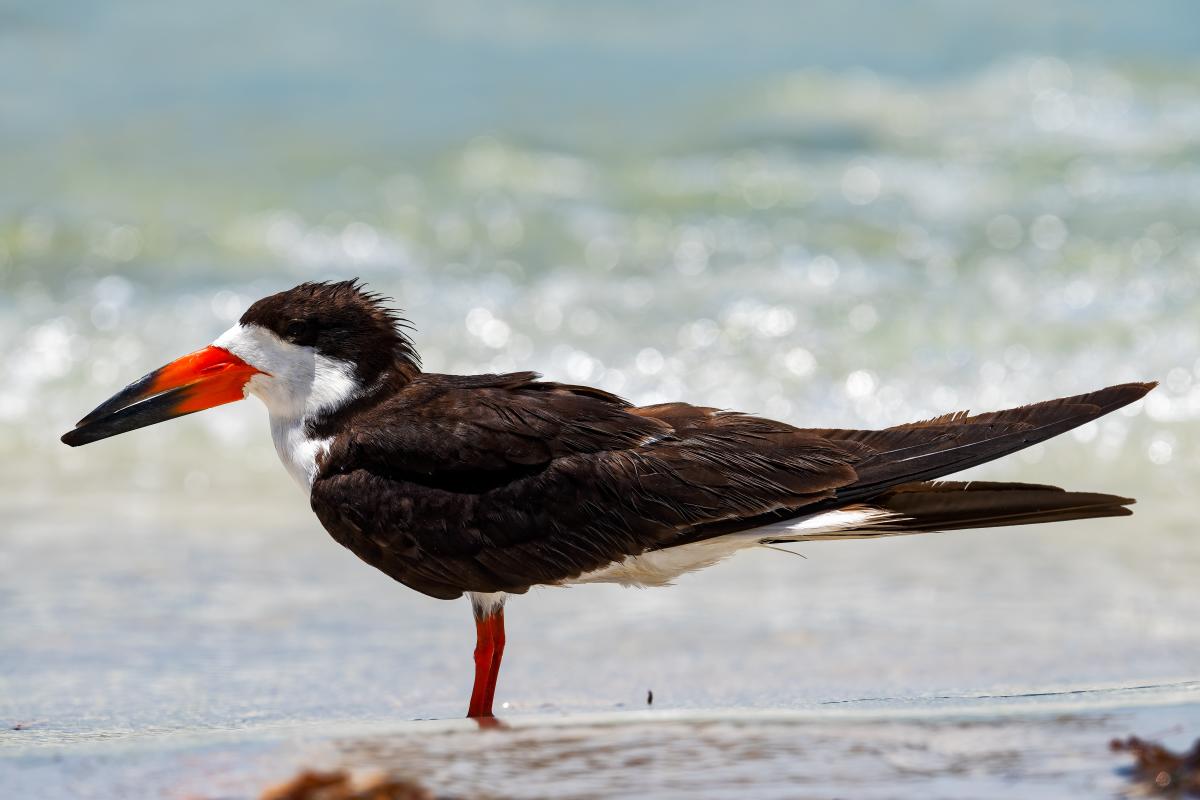
North Carolina's coast supports diverse tern species including the large, orange-billed Royal Tern, medium-sized Forster's and Common Terns, and tiny Least Tern (the latter an increasingly threatened species requiring protected nesting beaches). These elegant birds demonstrate supreme flying ability, hovering on rapid wingbeats before executing precise plunge-dives to capture small fish, with different species showing preferences for varying water depths and prey sizes. The remarkable Black Skimmer employs a unique feeding strategy unmatched by any other bird: flying just above the water's surface with its elongated lower mandible slicing through the water to snap up fish by touch rather than sight. Skimmer colonies produce unforgettable soundscapes of barking, yelping calls, with dawn and dusk offering the best opportunities to observe their specialized surface-feeding behavior when fish move into shallows; though remember that both terns and skimmers nest on beaches and require protective buffer zones during breeding season.
Wintering Waterfowl
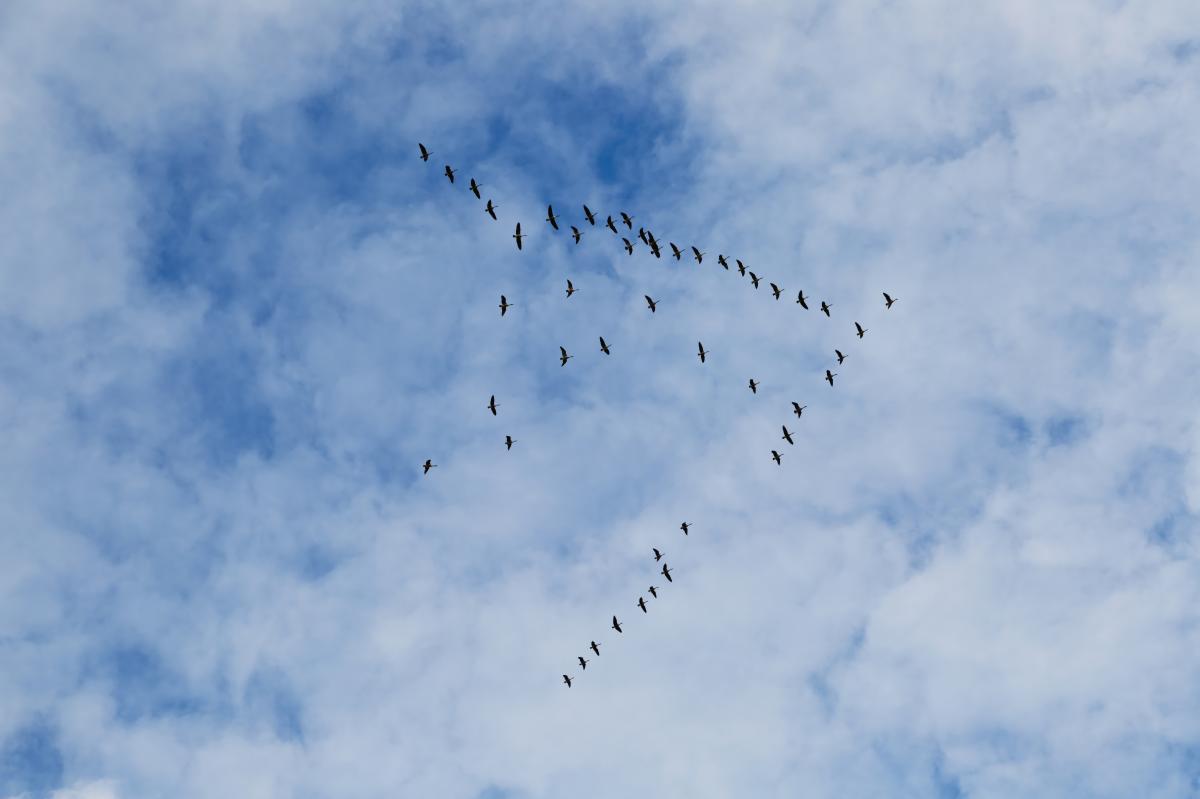
North Carolina's coastal region stands among the finest birdwatching destinations on the East Coast, where barrier islands, salt marshes, maritime forests, and estuarine waters create a tapestry of habitats supporting extraordinary avian diversity. The state's strategic position along the Atlantic Flyway transforms this coastline into a critical stopover for millions of migratory birds, with over 400 species recorded throughout North Carolina. Whether you're scanning the beaches for endangered plovers or watching pelicans plunge into surf, the North Carolina coast delivers unforgettable birding experiences year-round.
Seasonal Birding: What to Expect Throughout the Year
North Carolina's coastal bird populations undergo dramatic seasonal transformations, with different times of year bringing distinct species and experiences that make the Crystal Coast rewarding to visit in any season. The region's position along the Atlantic Flyway (a major migratory corridor stretching from Arctic breeding grounds to Caribbean and South American wintering areas) creates spectacular spring and fall migration periods when hundreds of species pass through coastal stopover sites. Understanding these seasonal patterns helps you plan visits to target specific birds or experiences, whether seeking nesting shorebirds in summer, migrating songbirds during spring and fall, or impressive waterfowl concentrations in winter.
Top Birdwatching Locations on the Crystal Coast
Fort Macon State Park

Fort Macon State Park ranks among the Crystal Coast's premier birding destinations, offering exceptional habitat diversity including ocean beaches, maritime forests, freshwater wetlands, and the historic fort itself (all within a compact, easily walkable area near the Atlantic Beach causeway). The park's trail system winds through coastal vegetation that creates productive migrant traps, with spring and fall potentially delivering impressive fallouts when weather conditions ground exhausted songbirds seeking their first landfall after overwater crossings. Target species span the full range of coastal possibilities: beach-nesting Least Terns and Piping Plovers, woodland warblers and thrushes in maritime forest, wading birds in wetlands, and offshore seabirds visible from beach overlooks, while the fort's elevated ramparts provide excellent vantage points for observing fall hawk migration.
Rachel Carson Reserve
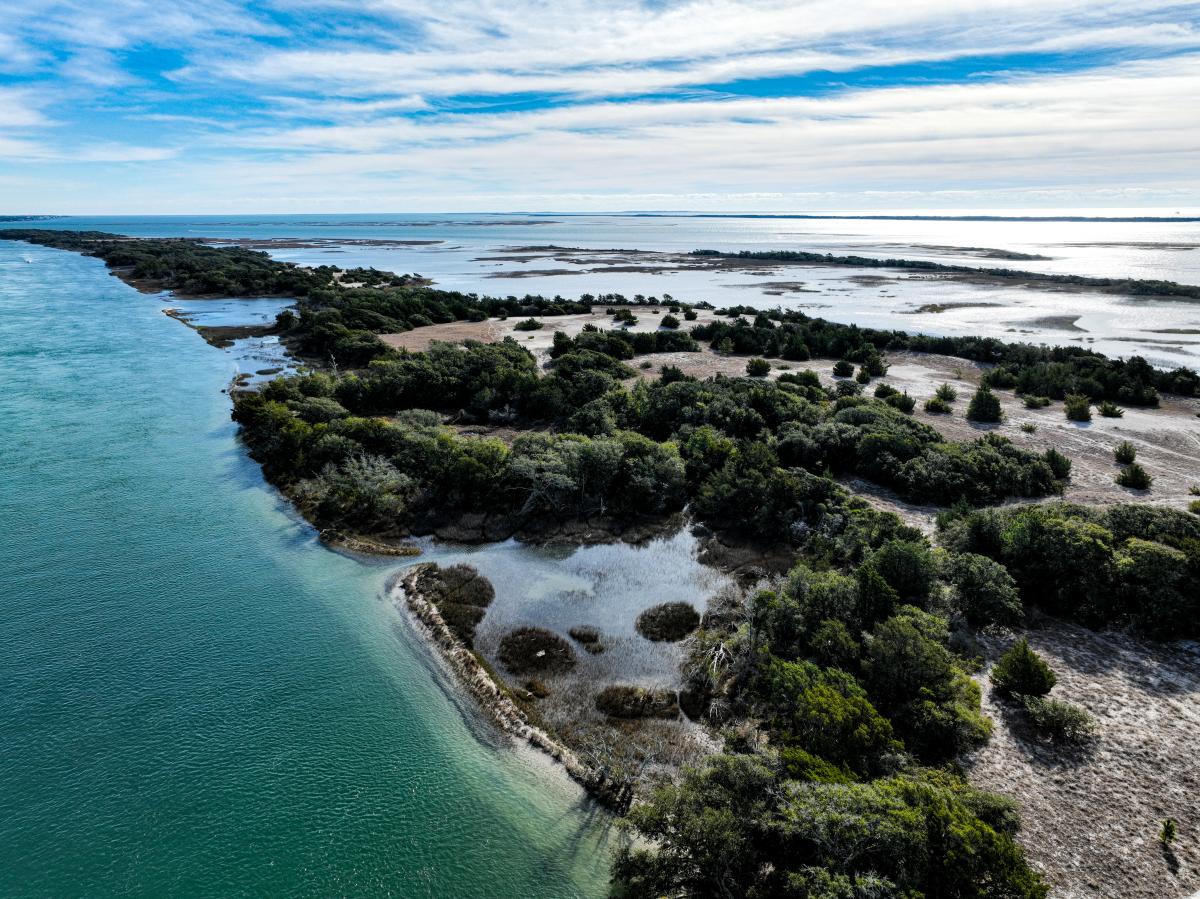
Rachel Carson Reserve delivers a less-developed birding experience on barrier islands accessible only by boat from Beaufort or other nearby launch points, protecting extensive salt marshes, tidal flats, and beaches that support outstanding shorebird, wading bird, and tern populations. The reserve's importance extends to nesting colonial waterbirds during summer and concentrations of wintering shorebirds, including Piping Plovers, with the relatively low human disturbance contributing to its value for sensitive species that struggle on more developed coastlines. Access requires kayak rentals or water taxi services available in Beaufort; practice strict leave-no-trace principles, remain aware of tide schedules, and respect all posted sanctuary areas established to protect nesting birds. These closures are not suggestions but essential protections for species survival.
Cedar Island National Wildlife Refuge
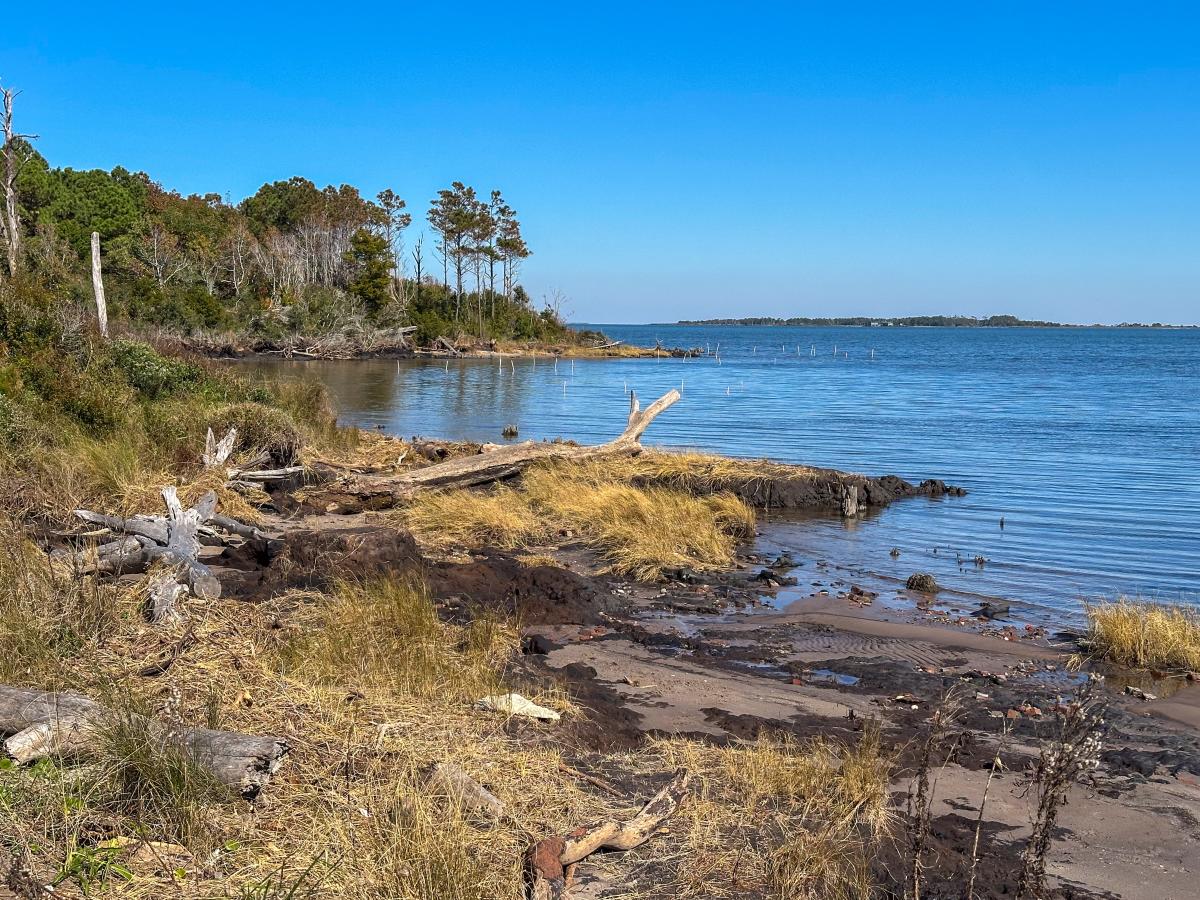
Cedar Island National Wildlife Refuge occupies the southern extent of the Crystal Coast where US Highway 70 terminates at the ferry to Ocracoke, offering extensive wetland habitats particularly valuable for waterfowl, wading birds, and marsh specialists that thrive in its mix of fresh and saltwater environments. The refuge's convenient location makes it ideal for travelers who can incorporate productive birding into their ferry schedule, with the terminal area itself often hosting interesting species while you wait for departure. Habitats include maritime forest, salt marsh, open water, and agricultural fields that together attract diverse birds year round, with winter waterfowl concentrations and year round wading bird populations particularly notable. Early morning visits typically offer the most activity and best light for observation and photography.
Conservation and Responsible Birding Practices
North Carolina coastal birds face serious conservation challenges, including habitat loss from development and sea-level rise, disturbance from increasing human recreation, climate change impacts on food availability and nesting success, and pollution, including plastics and oil spills. Birdwatchers carry special responsibilities as wildlife observers to minimize impacts and contribute to protection efforts. Practice responsible birding by respecting all seasonal closures and symbolic fencing around nesting areas, keeping dogs leashed on beaches, maintaining distances that don't cause birds to flush or alter behavior, and never approaching active nests, regardless of how tempting a photograph might be. Conservation successes like the Brown Pelican's recovery prove that dedicated protection efforts work, giving hope that threatened species can similarly rebound with our support and responsible stewardship.
Plan Your NC Coast Birding Adventure
The Crystal Coast awaits with exceptional birding opportunities that reward both first-time visitors and returning enthusiasts, discovering new species and locations with each visit. Regardless of your experience level, accessible habitats and abundant birds make this region ideal for developing observation skills, expanding species knowledge, and connecting with the dynamic natural world that thrives along North Carolina's shores. Start planning your visit by checking seasonal timing for target species, identifying locations matching your interests and mobility, and preparing appropriate gear, including binoculars, field guides or bird identification apps, sun protection, and water. These experiences will draw you back to the Crystal Coast again and again.