
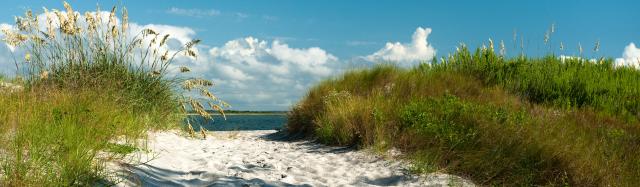
North Carolina's Crystal Coast stands as a premier destination for beach hiking and coastal trail exploration, where the region's unique geography creates an extraordinary tapestry of hiking opportunities ranging from maritime forests and salt marsh boardwalks to soundside beaches and wildlife refuges. The southern Outer Banks region offers trails accessible to all fitness levels with year-round hiking opportunities, allowing visitors to forge intimate connections with coastal ecosystems while enjoying exceptional wildlife viewing and stunning waterfront vistas that showcase the raw natural beauty of North Carolina's coastline.
Understanding Coastal Trail Environments and Ecosystems
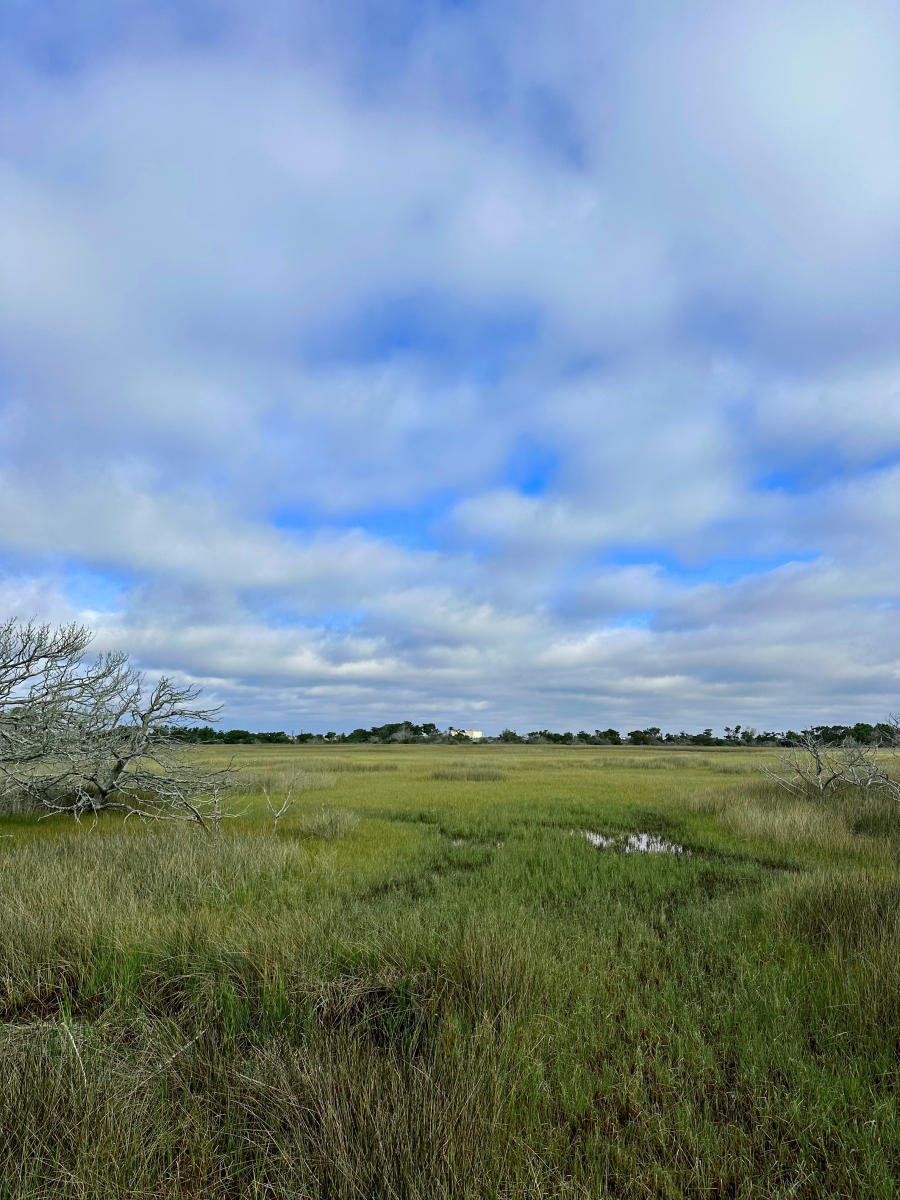
Coastal trail hiking in North Carolina presents diverse environments that create unique experiences distinct from inland trail adventures, with each habitat type offering its own characteristics and wildlife viewing opportunities. From the salt-influenced maritime forests that develop behind protective dune systems to the extensive tidal marshes accessible via elevated boardwalks, hikers encounter specialized ecosystems where plant and animal species have adapted to thrive in challenging coastal conditions, creating educational opportunities to observe the intricate relationships between land, water, and wildlife that define North Carolina's coastal wilderness.
Maritime Forest Trails and Dune Systems

Maritime forest environments like those found on the Elliott Coues Nature Trail represent fascinating ecosystems that develop behind protective dune systems, where specialized plant and animal species thrive in salt-influenced conditions that would challenge typical inland forest communities. These elevated trails allow hikers to observe the remarkable transition from ocean-facing dunes to protected forest communities, witnessing firsthand how coastal vegetation adapts to salt spray, sandy soils, and strong winds while providing critical habitat for resident wildlife and serving as natural barriers that protect inland areas from storm surge and coastal erosion.
Salt Marsh Boardwalks and Tidal Ecosystems
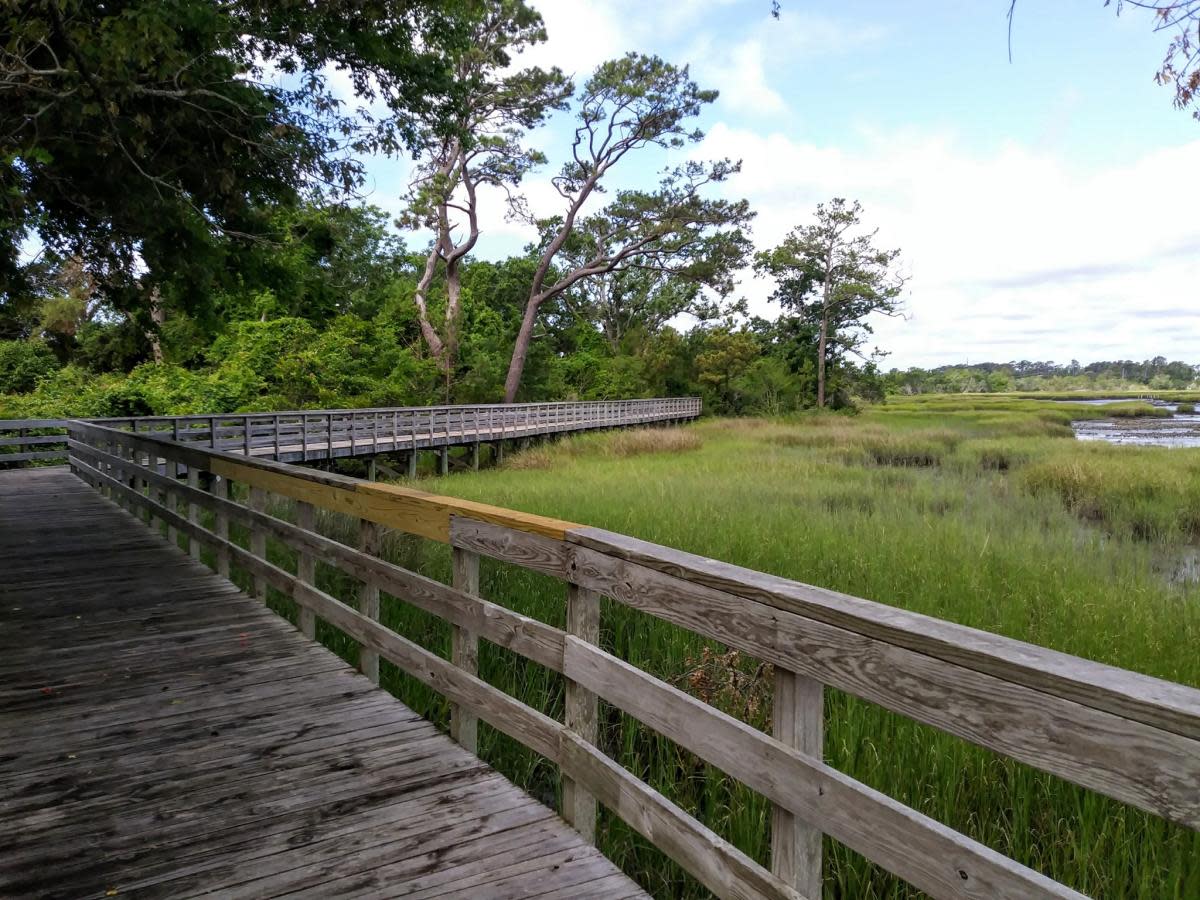
The extensive salt marsh systems accessible via boardwalk trails like Cedar Point Tideland Trail and Calico Creek Boardwalk provide safe, elevated access to observe some of North Carolina's most productive ecosystems, where these critical habitats serve dual roles in supporting wildlife populations and providing natural coastal protection. These elevated walkways offer unique viewing opportunities to observe fiddler crabs scurrying across mudflats, wading birds feeding in tidal channels, and the fascinating tidal processes that twice daily transform these marshes, while educating hikers about the vital importance of these ecosystems in filtering water, preventing erosion, and serving as nurseries for marine life.
Wildlife Refuge Trails and Conservation Areas
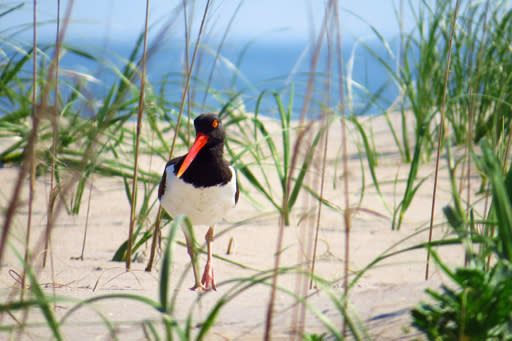
Protected areas like Cedar Island National Wildlife Refuge encompass 14,494 acres of preserved habitat that provide exceptional hiking opportunities through pristine environments showcasing North Carolina's coastal wilderness at its most untouched. These refuge trails offer access to critical habitat for migratory waterfowl and resident species within brackish marsh systems that represent some of the most important conservation areas along the Atlantic Coast, where hikers can experience the profound sense of solitude and connection with nature that comes from walking through landscapes managed specifically to protect wildlife and preserve the natural heritage of North Carolina's coastal region.
Premier Beach Hiking Destinations Along the Crystal Coast
The Crystal Coast region offers an impressive collection of beach hiking trails, each providing unique features, varying difficulty levels, and special attractions that cater to different interests and hiking abilities while showcasing the diverse coastal environments that make North Carolina's shoreline so exceptional for outdoor enthusiasts.
Roosevelt Trail at The NC Aquarium at Pine Knoll Shores
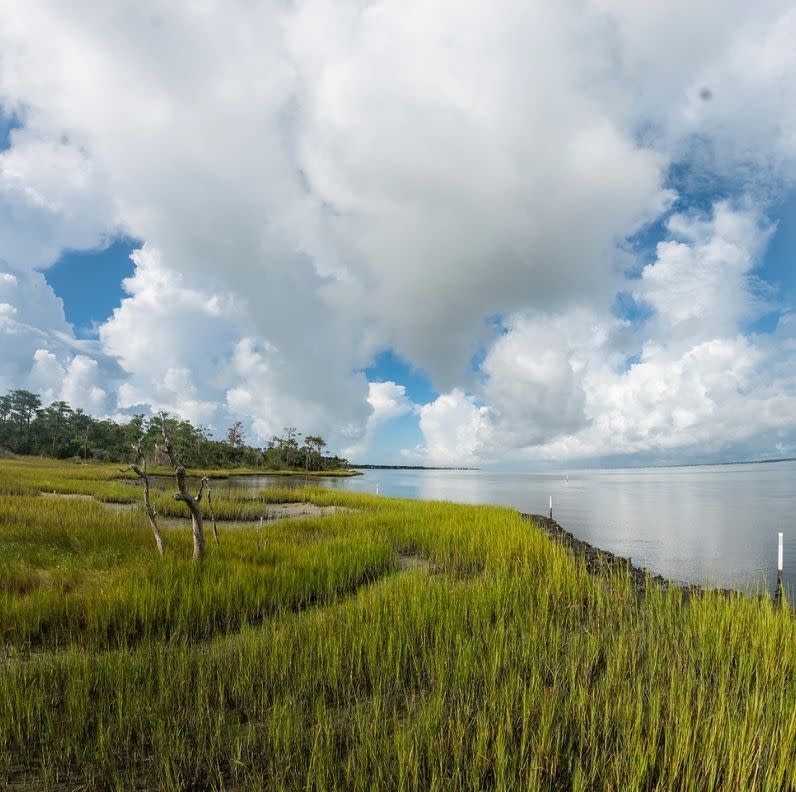
The 1.25-mile Roosevelt Trail offers an ideal introduction to coastal hiking as it guides visitors through maritime forest, over high dune ridges, along expansive marshes, and concludes at a peaceful soundside beach, all accessible from the convenient aquarium parking lot with approximately one hour of hiking time. This trail provides exceptional educational value by allowing hikers to combine their outdoor adventure with aquarium visits, creating a comprehensive learning experience that deepens understanding of coastal ecosystems through both direct observation in the wild and interpretive exhibits that explain the complex relationships between the marine and terrestrial environments they've just explored.
Cedar Point Tideland Trail System
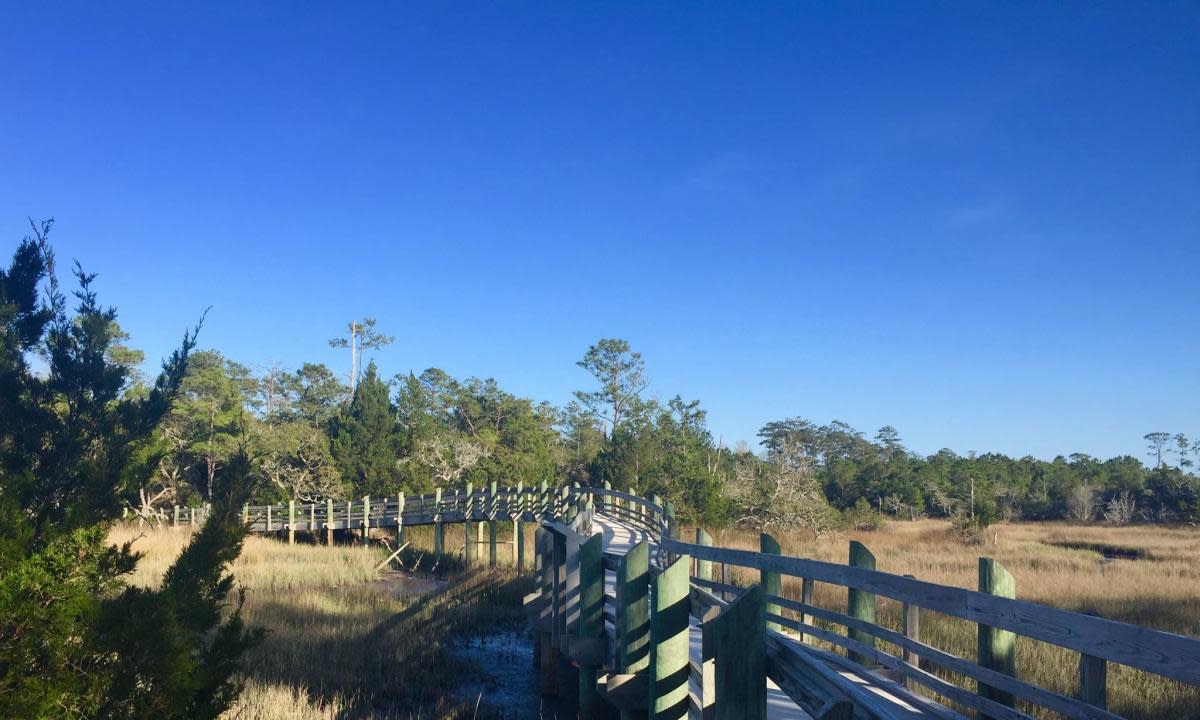
The Cedar Point Tideland Trail System features dual-loop options of 1.3 miles and 0.6 miles that combine boardwalk sections over tidal salt marshes with hardwood and pine forest loops, providing panoramic views of the White Oak River estuary while offering convenient amenities including restrooms, picnic areas, boat ramps, and camping facilities. This comprehensive trail system makes an ideal destination for extended visits where families and groups can enjoy hiking, wildlife viewing, and waterfront recreation in a single location, with the shorter loop perfect for beginners and the longer loop providing more extensive exploration of the diverse coastal habitats that characterize this protected area.
Cedar Island National Wildlife Refuge Trails
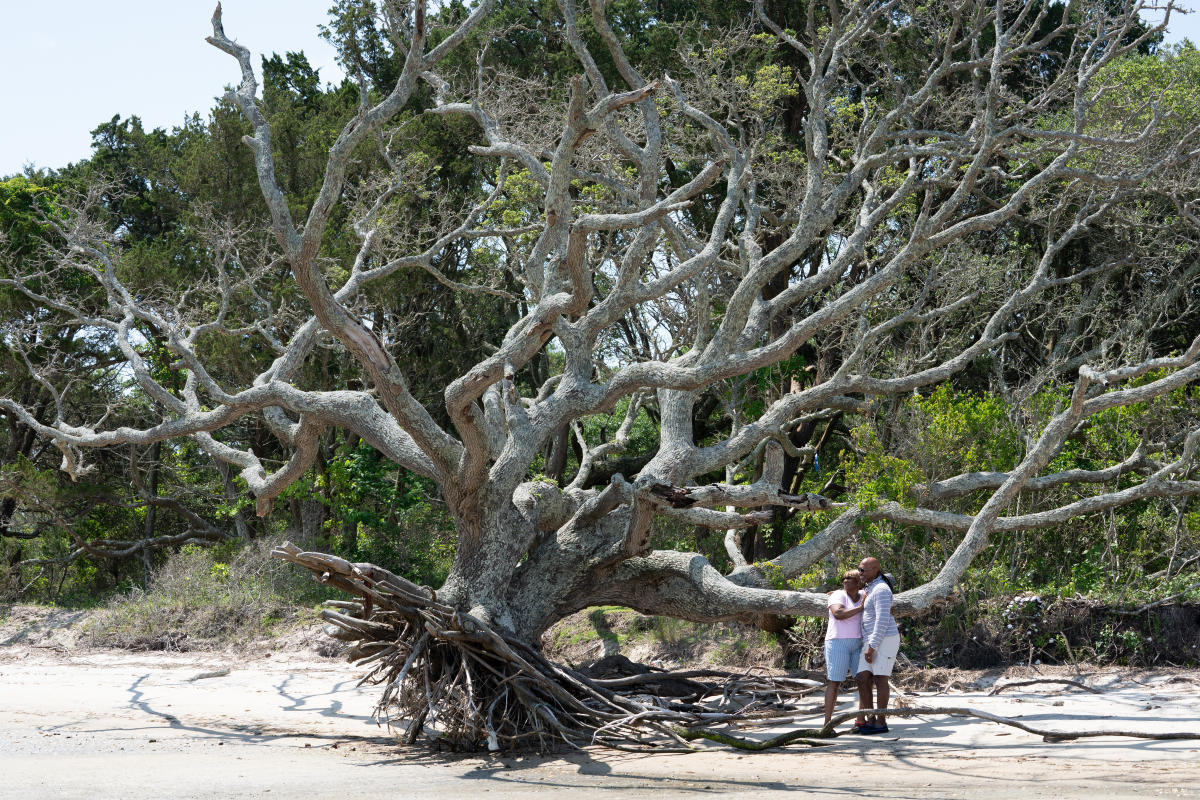
Located 40 miles from Beaufort, the remote hiking opportunities within Cedar Island National Wildlife Refuge's 14,494 acres offer a true wilderness experience on a peninsula positioned at the southern end of Pamlico Sound, where unique hiking conditions through brackish marsh environments provide unparalleled solitude just 5 miles from the Atlantic Ocean. The refuge's trails offer exceptional seasonal wildlife viewing opportunities, particularly during waterfowl migration periods when thousands of ducks, geese, and other birds use these protected marshes as critical stopover habitat, creating spectacular viewing opportunities for hikers willing to venture into this pristine coastal wilderness that represents one of North Carolina's most important conservation success stories.
Calico Creek Boardwalk in Morehead City
The accessible 1.14-mile Calico Creek Boardwalk offers an urban trail experience featuring sidewalks and boardwalks with convenient Recreation Center amenities including restrooms and water fountains, making it perfectly suitable for walking, jogging, and biking while providing spectacular scenic water views and exceptional sunset viewing opportunities. This family-friendly trail serves as an ideal introduction to coastal hiking for visitors of all ages and abilities, offering the convenience of urban accessibility combined with the natural beauty of waterfront scenery, making it perfect for evening hikes, family outings, and those seeking a peaceful escape without venturing far from Morehead City's amenities and accommodations.
Wildlife Viewing and Natural History Along Beach Trails
Beach hiking trails in North Carolina provide exceptional wildlife viewing opportunities that reward nature enthusiasts and photographers with diverse encounters ranging from resident coastal species to seasonal migrants, creating educational experiences that highlight the remarkable biodiversity supported by the region's coastal ecosystems.
Bird Watching Opportunities and Seasonal Patterns

Coastal trails offer outstanding birding opportunities throughout the year, with wading birds like herons and egrets visible along marsh boardwalks, raptors such as osprey nesting on platforms and hunting over tidal waters, seasonal waterfowl arriving in impressive numbers during winter months, and resident songbirds inhabiting maritime forests and marsh edges. Optimal viewing times vary by season, with early morning and late afternoon providing the best opportunities to observe feeding behaviors, while spring and fall migrations bring the greatest diversity of species, making trails like Cedar Island National Wildlife Refuge and Cedar Point Tideland Trail particularly rewarding for birders seeking to experience the full spectrum of North Carolina's coastal avian life.
Marine and Marsh Wildlife Encounters
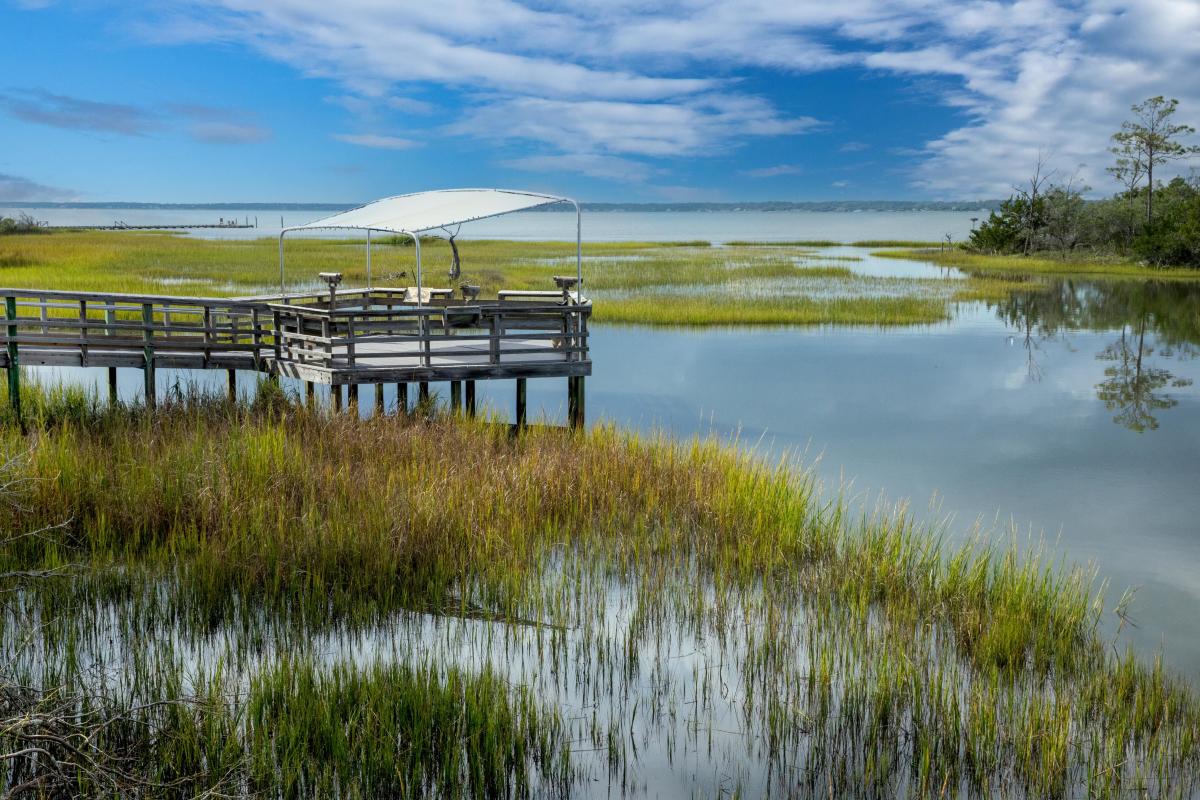
Coastal hiking trails provide unique opportunities to observe marine and marsh wildlife in their natural habitats, from fiddler crabs scurrying across mudflats during low tide to raccoon tracks pressed into tidal mud revealing nocturnal foraging activities, while invertebrates throughout salt marsh ecosystems support food webs that occasionally include marine mammals visible from soundside trail endpoints. Respectful wildlife observation enhances these encounters, with hikers maintaining appropriate distances, moving quietly through sensitive areas, and timing visits with tidal cycles to maximize viewing opportunities while minimizing disturbance to the wildlife that depends on these coastal habitats for feeding, nesting, and shelter.
Plant Communities and Coastal Flora
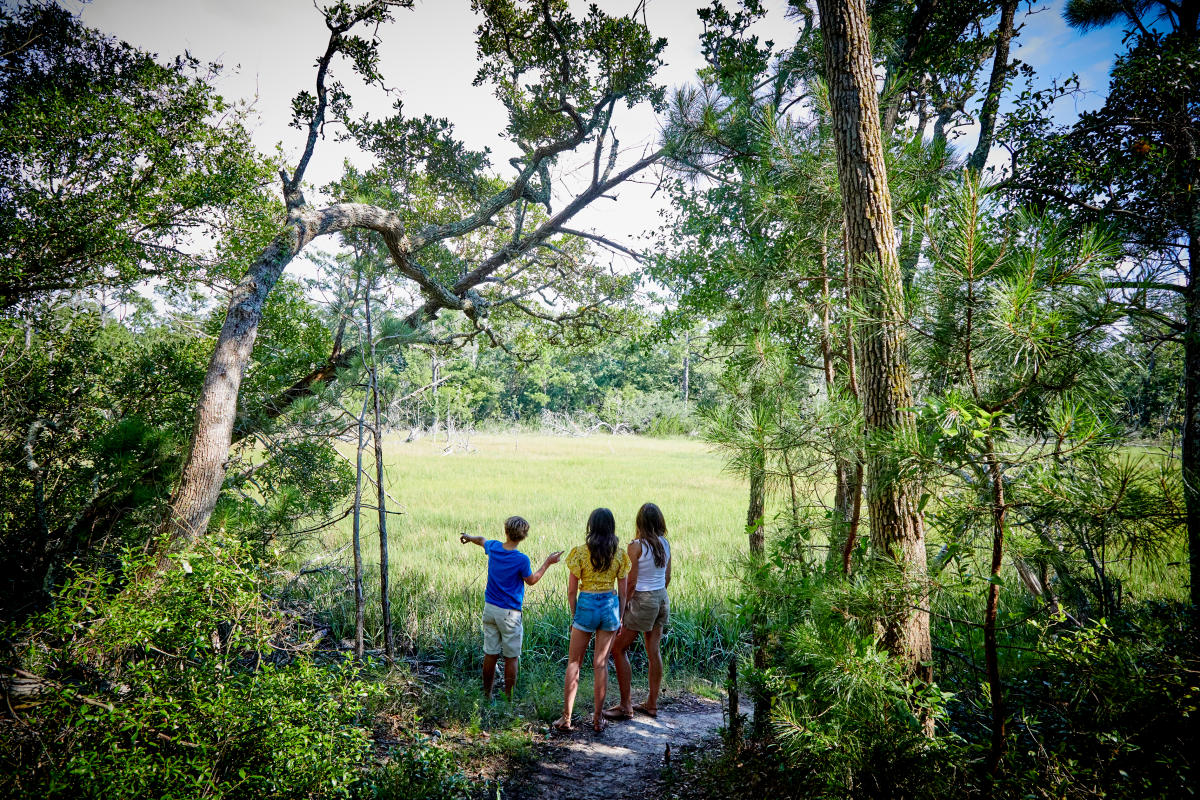
Beach hiking trails showcase distinctive plant communities that have evolved remarkable adaptations to thrive in challenging coastal conditions, from salt-tolerant marsh grasses that filter tidal waters to maritime forest species that withstand salt spray and strong winds, while specialized dune vegetation plays critical roles in stabilizing shorelines with deep root systems. These coastal plants represent evolutionary success stories in adaptation, with species like sea oats, saltmeadow cordgrass, and live oaks demonstrating how life persists and thrives in environments where salt, sand, and storms create conditions that would challenge most plant communities, while simultaneously providing essential habitat for wildlife and natural protection for inland areas from coastal erosion and storm damage.
Discovering Your Perfect Coastal Hiking Experience
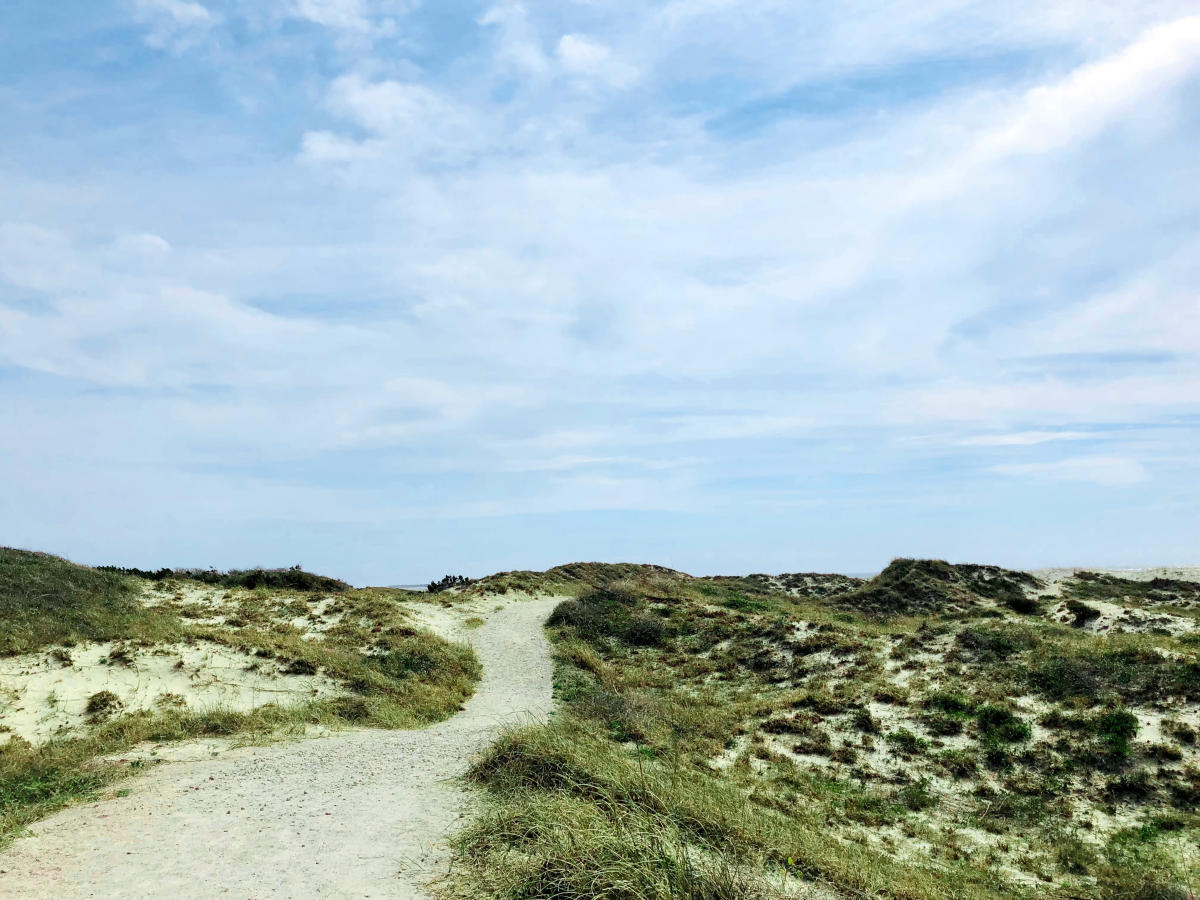
Beach hiking trails in North Carolina offer extraordinary opportunities to connect with coastal ecosystems, observe diverse wildlife, and experience the natural beauty of the Crystal Coast through active, engaging adventures that accommodate all fitness levels and interests, from peaceful boardwalk strolls to wilderness refuge explorations. Begin your coastal hiking journey with more accessible trails like Calico Creek Boardwalk or the shorter Cedar Point loop to build confidence and familiarity with coastal hiking conditions, then gradually progress to longer and more remote trails as your interest and experience grow. Whether you're drawn to the educational opportunities of the Roosevelt Trail, the comprehensive amenities of Cedar Point, the wilderness solitude of Cedar Island, or the urban accessibility of Calico Creek, North Carolina's spectacular shoreline ensures that every hiker can find their perfect coastal adventure.